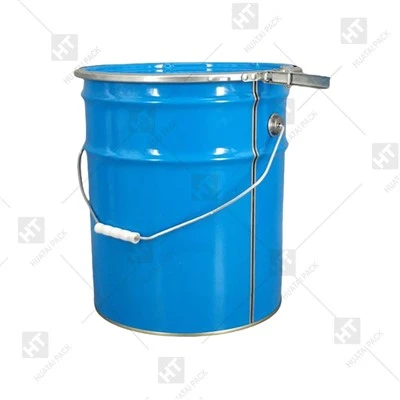


What are the maintenance tasks for olive oil can?
Apr 02, 2025
1. Regular inspection
External inspection: Carry out external inspection at least once a month to check whether the tank body, sealing points, welds have leakage, and whether the tank body has deformation.
Internal inspection: Carry out a comprehensive internal inspection every 3-5 years in combination with tank cleaning, focusing on the corrosion of the bottom plate and wall plate, and whether the welds have cracks.
2. Cleaning work
Regular cleaning: According to the frequency of use and the type of oil, the oil tank is cleaned regularly to remove sediment, oil stains and rust residues in the tank. The cleaning cycle is usually once every 3 years for light oil tanks and once every 5 years for heavy oil tanks.
Cleaning method: Dry cleaning, wet cleaning, steam cleaning or chemical cleaning can be used. During the cleaning process, ensure good ventilation and that the oil and gas concentration is within a safe range.
3. Anti-corrosion measures
Anti-corrosion coating: Regularly check the integrity of the anti-corrosion coating of the tank body, and repair or re-coat it if necessary.
Tank wall thickness measurement: Regularly use an ultrasonic thickness gauge to detect the thickness of the tank wall to ensure the safety of the tank structure.
4. Safety accessories maintenance
Breathing valve and flame arrester: Check the breathing valve and flame arrester once a month to ensure that they are flexible and easy to use, and check them once a week in winter.
Lightning protection and antistatic device: Check the lightning protection and antistatic device once in spring and autumn every year to ensure that the grounding resistance is not greater than 10Ω.
5. Insulation facility inspection
Insulation layer maintenance: Ensure that the insulation layer of the oil tank is intact to prevent heat loss and oil deterioration caused by the shedding of the insulation layer.
6. Equipment calibration and maintenance
Regular calibration: Recalibrate the oil tank when cleaning the tank to ensure the accuracy of capacity and measurement.
Accessory inspection: Check and maintain the oil tank's inlet and outlet pipes, valves, manholes and other accessories to ensure their normal operation.
7. Safe operation and records
Safe operation: Strictly abide by the operating procedures, especially during cleaning and maintenance, to ensure personnel safety and environmental safety.
Maintenance records: Keep records of each inspection and maintenance to facilitate tracking of the use status and maintenance history of the oil tank.