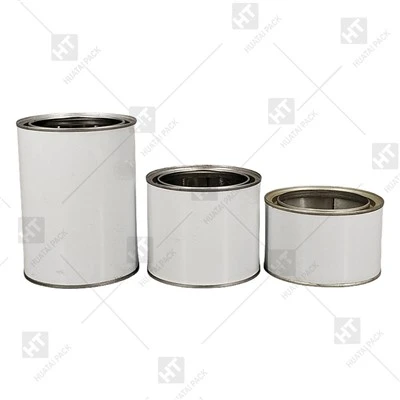


What should be done after cleaning the glue tank to prevent rust?
Apr 18, 2025
1. Post-cleaning treatment
1. Thoroughly drain the accumulated water:
After cleaning, make sure that the accumulated water in the tank is completely drained. Open all drain ports and sewage outlets to let the accumulated water in the tank flow out naturally.
For oil tanks with slope design, use the slope to help the accumulated water drain naturally.
2. Ventilation and drying:
Open all manholes, vents and breathing valves of the oil tank to ensure air circulation in the tank and accelerate the evaporation of water.
During the ventilation process, a fan or blower can be used to blow dry air into the tank to further promote the evaporation of water.
3. Wipe dry:
Use a clean soft cloth or sponge to wipe the inner surface of the tank to ensure that there is no residual moisture.
For hard-to-reach corners, you can use a long-handled brush or sponge stick to wipe.
2. Anti-rust treatment
1. Use rust inhibitor:
Rust-proof oil: Apply a layer of rust-proof oil on the surface of the tank to form a protective film to prevent the intrusion of oxygen and moisture. Rust-proof oil can be purchased at hardware stores or industrial supply stores.
Anti-rust spray: Use anti-rust spray to spray the inner and outer surfaces of the tank, making sure to cover all areas that may rust.
2. Apply anti-rust coating:
Anti-rust paint: Apply a layer of anti-rust paint on the surface of the tank, making sure the coating is even and without omissions. Anti-rust paint can be purchased at hardware stores or industrial supply stores.
Epoxy coating: For glue tanks that require higher protection, epoxy coating can be used. Epoxy coating has good corrosion resistance and wear resistance.
3. Use protective film:
Plastic protective film: Cover the surface of the tank with a layer of plastic protective film to prevent air and moisture from contacting the metal surface.
VCI protective film: Use volatile corrosion inhibitor (VCI) protective film, these materials can release molecules to prevent rust.
III. Daily maintenance
1. Regular inspection:
Regularly check the surface of the tank for signs of rust or corrosion, and find and deal with it in time.
Check the integrity of the anti-rust coating, and repair it in time if it is damaged.
2. Keep dry:
Ensure that the glue tank is stored in a dry and well-ventilated environment to avoid rust caused by humid environment.
Regularly use desiccants (such as silica gel desiccant) to absorb moisture in the tank.
3. Avoid hand contact:
When handling glue tanks, avoid direct contact with metal surfaces with your hands, as grease and sweat on your hands may promote rust.
Use gloves or tools for operation.
IV. Precautions
1. Safe operation:
When using chemical rust inhibitors or coatings, wear appropriate protective equipment such as gloves, masks and goggles.
Ensure that the operation is in a well-ventilated area to avoid inhaling harmful gases.
2. Records and maintenance:
Record the date, method and results of each cleaning and anti-rust treatment to facilitate tracking of the maintenance history of the tank.
Regularly check the sealing and anti-corrosion layer of the tank to ensure the long-term safe use of the tank.