

What factors affect the sealing performance of paint cans?
Nov 20, 2024
1. Connection method between the can cover and the can body:
1. Threaded connection: If the thread processing accuracy is not enough, such as uneven thread pitch, inconsistent thread depth, etc., the can cover and the can body will not fit tightly when screwed together, resulting in a gap, affecting the sealing performance. In addition, if there are impurities, paint residue or damage on the thread, it may also cause poor sealing.
2. Bayonet connection: The dimensional accuracy and matching tolerance of the bayonet and the slot are crucial to the sealing performance. If the size of the bayonet or the slot is inaccurate, or the bayonet is deformed or worn during use, the connection between the can cover and the can body will loosen, destroying the sealing effect. Moreover, the bayonet connection method may have slightly worse sealing stability than the threaded connection.
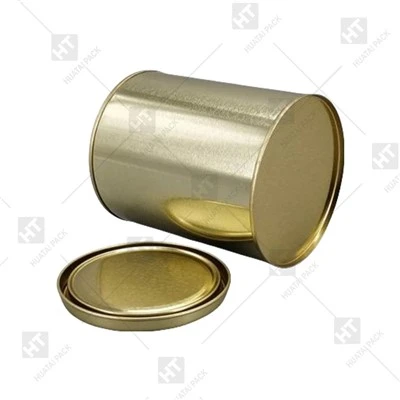
3. Gland sealing: The fit between the gland and the can body directly affects the sealing performance. If the flatness of the gland is not enough, or the edge of the can opening is uneven, uniform pressure cannot be formed when the gland is sealed, resulting in poor local sealing. In addition, the tightening force of the gland also needs to be appropriate. If the tightening force is too large, it may damage the tank body or sealing material. If it is too small, a good seal cannot be guaranteed.
2. The quality and performance of the sealing material:
1. Rubber gasket: The material selection of the rubber gasket is very important. Rubbers of different materials have different properties such as oil resistance, chemical corrosion resistance, elasticity and hardness. For example, nitrile rubber has good oil resistance, but if the nitrile rubber gasket used is of poor quality, contains impurities or is aged, it will affect its sealing performance. In addition, the thickness, dimensional accuracy and installation method of the rubber gasket will also affect the seal. If the gasket thickness is uneven, the size is inappropriate or it is not placed in place during installation, it may cause the seal to fail.
2. Silicone gasket: The quality of the silicone gasket is also critical. Its high temperature resistance, low temperature resistance and chemical stability are directly related to the sealing effect in different environments. If the quality of the silicone gasket is not up to standard, it may deform, harden or soften in high or low temperature environments, thereby affecting the sealing performance. In addition, the surface smoothness and flatness of the silicone gasket will also affect the fit with the tank cover and tank body, thereby affecting the sealing effect.
3. Sealant: There are many types of sealants, and different types of sealants have different curing characteristics, viscosity, and chemical resistance. If the selected sealant is not suitable for the use environment of the paint can, for example, it is easy to lose viscosity or decompose under the chemical action of the paint, then a good seal cannot be guaranteed. In addition, the thickness and uniformity of the sealant will also affect the sealing effect. Applying too thick may cause bubbles or cracks in the sealant during the curing process, and uneven application will cause some parts to be poorly sealed.
3. Material and manufacturing process of the can body:
1. Metal can body: The material characteristics of the metal can body will affect its sealing performance. For example, if the tin plating layer on the surface of tinplate is uneven or damaged, it may cause the can body to rust and corrode, thereby affecting the sealing effect. In addition, the manufacturing process of the metal can body is also very important, such as welding quality, flatness and roundness of the can body, etc. If there are pores, cracks or uneven can body at the welding point, the matching between the can cover and the can body will be problematic, affecting the sealing performance.
2. Plastic can body: The material quality and molding process of the plastic can body have an impact on the sealing performance. If the density of the plastic is uneven, contains impurities, or stress concentration occurs during the molding process, it may cause deformation, cracking or micropores in the can body, thereby reducing the sealing performance. In addition, the connection method and sealing structure design of the plastic can body and the can cover also need to be reasonable to ensure a good sealing effect.
4. Use and maintenance conditions:
1. Opening and closing times: The paint can is frequently opened and closed during use, which will cause wear and fatigue to the sealing structure of the can cover and the can body and the sealing material, thereby gradually reducing the sealing performance. For example, after the threaded can cover is screwed on many times, the thread may wear, resulting in loose fit; the can cover with a bayonet connection may deform during frequent opening and closing, affecting the sealing effect.
Ambient temperature of use: Changes in temperature will affect the sealing performance of the paint can. In a high temperature environment, the sealing material may soften and expand, resulting in a decrease in sealing performance; in a low temperature environment, the sealing material may harden, become brittle, or even crack, which will also affect the sealing effect. In addition, temperature changes may also cause changes in the pressure difference between the inside and outside of the can body. If the design of the paint can cannot effectively balance this pressure difference, it will also affect the sealing performance.
Storage conditions: The storage environment of the paint can is also important. If the storage environment is humid, or there are impurities such as corrosive gases or dust, the can and sealing materials may be corroded, contaminated or damaged, thus affecting the sealing performance. In addition, if the paint can is subjected to external forces such as squeezing, collision or vibration during storage, it may also cause the can to deform or the sealing structure to be damaged, thus affecting the sealing effect.
Cleaning and maintenance: After using the paint can, if the can mouth and can lid are not cleaned in time, the residual paint may dry on the sealing part, affecting the sealing performance during the next use. In addition, if the sealing material is exposed to the air for a long time, it may age and deteriorate, so it is necessary to regularly check and replace the sealing material to ensure the sealing performance of the paint can.