

Sealing principle of paint cans
Nov 18, 2024
Cooperation between can lid and can body:
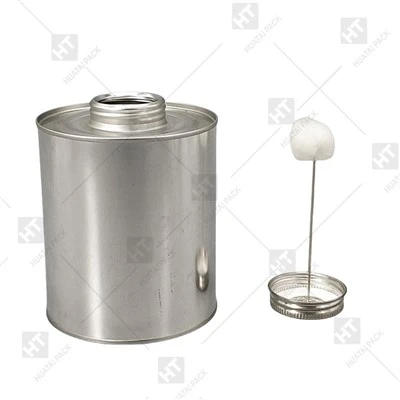
1. Threaded connection: The can lid and can body of the paint can are screwed together through the threaded structure to form a tight connection. This connection method can provide a better sealing effect and prevent paint leakage. During the screwing process, the mutual engagement between the threads makes the gap between the can lid and the can body extremely small, thereby effectively blocking the outflow of paint and the entry of outside air. For example, some small paint cans often use this threaded connection method to ensure sealing.
2. Bayonet connection: The can lid and the can body are respectively provided with corresponding bayonets and slots. By inserting the bayonet into the slot, the can lid and the can body are fixed and sealed. The bayonet connection method is easy to operate, can quickly achieve sealing, and has a certain degree of reliability. However, its sealing performance may be slightly inferior to that of the threaded connection. Some medium-sized paint cans will use bayonet connection, and auxiliary sealing materials such as rubber gaskets are equipped at the bayonet to enhance the sealing effect.
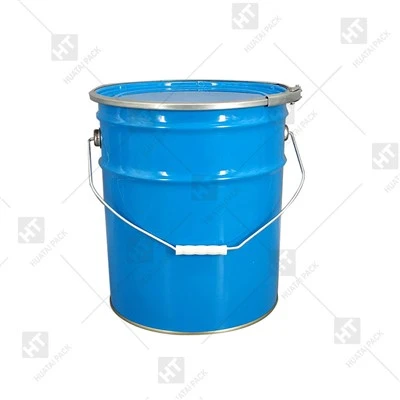
3. Gland sealing: This method is to press the can lid directly on the opening of the can body, and achieve the purpose of sealing by the close fit between the can lid and the can body. In order to improve the sealing performance, sealing materials such as rubber pads, silicone pads, etc. are usually set on the contact surface of the can cover or the can body. When the can cover is pressed down, the sealing material will be squeezed and deformed, filling the small gap between the can cover and the can body, thereby achieving a good seal. Some large paint cans or specially designed paint cans may adopt a press-on sealing method.
Application of sealing materials:
1. Rubber gasket: Rubber gasket is one of the commonly used materials in paint can sealing. It has good elasticity and flexibility, and can form an effective seal between the can cover and the can body. When the can cover is tightened or pressed down, the rubber gasket will be compressed, thereby filling the gap between the two to prevent paint leakage and air from entering. The material of the rubber gasket is usually selected from oil-resistant and chemical-resistant rubber to ensure its stability and service life in the paint environment. For example, nitrile rubber gaskets have good oil resistance and chemical resistance, and are suitable for the sealing of paint cans.
2. Silicone gasket: Silicone gasket is also a common sealing material. It has excellent high and low temperature resistance, as well as good elasticity and chemical stability. In the sealing of paint cans, silicone gaskets can maintain good sealing performance over a wide temperature range, especially for some paint cans that may be used in different temperature environments. In addition, silicone gaskets have the advantages of being odorless and non-toxic, and will not affect the quality of the paint.
3. Sealant: In addition to gaskets, sealants can also be used to seal paint cans. Sealant is usually a viscous liquid or semi-solid material. After applying sealant at the junction of the can lid and the can body, the sealant will fill the gap and solidify to form a continuous sealing layer. There are many types of sealants, including anaerobic sealants, silicone sealants, polyurethane sealants, etc. Different types of sealants have different characteristics and scopes of application. For example, anaerobic sealants will quickly solidify in the absence of air to form a firm seal, and are often used in some paint cans with high sealing requirements.
Other auxiliary sealing measures:
1. Inner plug: Some paint cans are also equipped with an inner plug at the mouth of the can. The inner plug is usually a plastic or rubber plug that matches the inner diameter of the can mouth. When the can lid is tightened or pressed down, the inner plug will further fill the space inside the can mouth and increase the reliability of the seal. The function of the inner plug is to prevent the paint from leaking out from the tiny gap between the can mouth and the can cover due to shaking during transportation or storage.
2. Sealing ring: In the design of some paint cans, a sealing ring is set on the opening edge of the can body. The sealing ring can be integrally formed with the can body or installed separately. When the can cover is closed tightly, the sealing ring will be in close contact with the inner surface of the can cover, forming an additional sealing line of defense and improving the overall sealing performance.
3. Exhaust valve: For some paint cans with larger capacity, in order to prevent the pressure in the can from changing due to temperature changes and other reasons during transportation or use, which affects the sealing effect, an exhaust valve will be set on the can cover. The function of the exhaust valve is to automatically discharge an appropriate amount of gas when the pressure in the can increases to maintain the pressure balance in the can; and when the pressure in the can decreases, the exhaust valve can prevent a large amount of outside air from entering the can, thereby ensuring the quality and sealing performance of the paint.