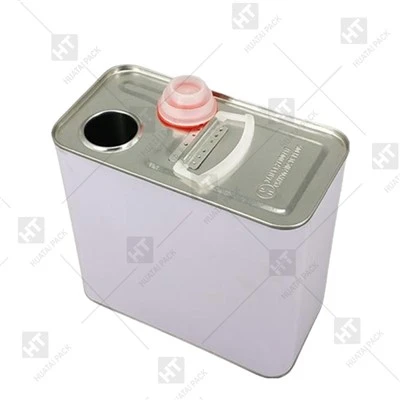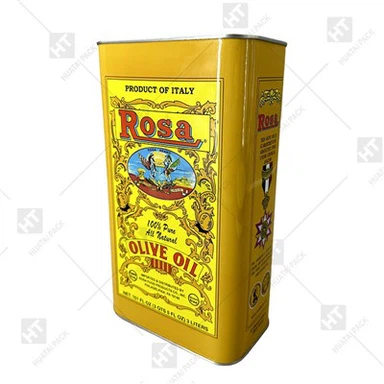


What are the safety precautions for glue can coating inspection?
Mar 17, 2025
1. Preparation before inspection
1. Appearance inspection: Before inspection, carefully check whether there are dents on the appearance of the tank, cracks on the welds, and whether the safety valve is normal.
2. Static protection: Ensure that the floor of the inspection area is a conductive (anti-static) floor, and all equipment and personnel have taken static elimination measures.
3. Ventilation system: The inspection area should have good ventilation conditions, especially in areas where toxic and hazardous materials are stored or there is a risk of explosion. The ventilation system should be equipped with an uninterruptible power supply and a fault alarm device.
2. Safety measures during the inspection process
1. Personal protection: Inspectors should wear appropriate protective equipment, such as anti-static work clothes, safety helmets, chemical protective gloves and goggles.
2. Lighting and electrical equipment: The lighting in the inspection area should use explosion-proof lamps or explosion-proof lighting, and the light box or observation window glass should use explosion-proof glass.
3. Safety doors and passages: Ensure that the safety door of the inspection area is outward-opening, and the passage from any operating position in the room to the safety door is unobstructed.
3. Specific operations of coating inspection
1. Surface treatment: When inspecting the coating, avoid using tools that may produce sparks, such as iron tools. It is recommended to use copper or alloy tools.
2. Sealing inspection: Ensure that the tank body has good sealing performance to prevent glue leakage. Any cracks or damage found should be marked and recorded immediately.
3. Coating integrity: Focus on checking whether the coating has peeling, peeling, cracking or discoloration, especially at the bottom of the tank body and the weld.
4. Safety measures after inspection
1. Cleaning and maintenance: After the inspection is completed, the inspection area should be cleaned to ensure that there are no residual chemicals or coatings.
2. Equipment inspection: Inspect and maintain the equipment used to ensure that it is in good condition.
3. Records and reports: Record the inspection results in detail, including the damage of the coating, the measures taken, and the subsequent maintenance recommendations.