

What are the methods for testing the sealing of Glue Can?
Jul 11, 2025
I. Physical sealing test
1. Visual inspection method
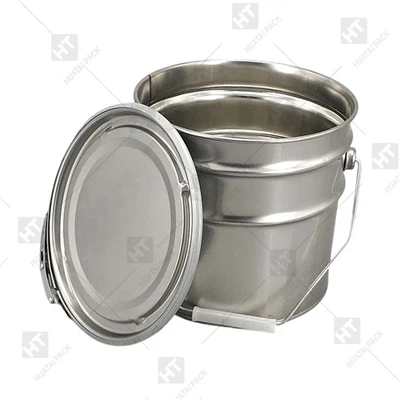
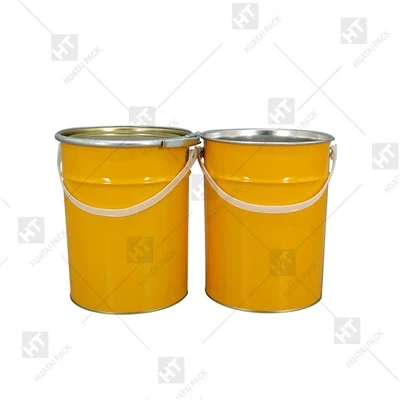
Directly observe whether there are cracks, deformations or burrs in the can body joints, lid threads, and welds (such as metal cans). For example, if there are gaps in the crimping seams of metal cans, glue leakage may occur; if the lid and the can mouth threads of plastic cans are not tightly engaged, they can be identified by naked eyes or a magnifying glass. Suitable for initial screening or rapid detection of production lines.
2. Soapy water leak detection method
Immerse the can body (including the lid) in warm water, or apply soapy water to the joints, and then apply slight air pressure to the can (such as injecting a small amount of air through an air pump). If bubbles emerge, it means there is a leak. It is often used for metal cans or plastic cans with high sealing requirements. Care should be taken to avoid deformation of the can body due to excessive water pressure.
II. Pressure and vacuum test
1. Negative pressure test (vacuum method)
Put the glue can in a vacuum box, seal it, and then evacuate it to a specific vacuum degree (such as - 0.05MPa) for 30 minutes. Observe whether the can body is swollen, whether the lid is bulging, or whether there are bubbles in the water layer at the bottom of the vacuum box to judge leakage. Suitable for detecting tiny leaks, especially for plastic cans (the material is elastic, and tiny leaks are easily magnified by negative pressure).
2. Positive pressure test
Slowly pressurize the sealed can body (such as 0.1-0.2MPa), and monitor the pressure change through the pressure sensor. If the pressure drops by more than 5% within 5 minutes, it means there is a leak. Metal cans are highly resistant to pressure, so this method is often used to test the sealing of welds, such as using an airtightness tester to connect the can mouth for inflation detection.
III. Environmental simulation test
1. Temperature and humidity cycle test
Put the sealed glue can into a high and low temperature humidity test chamber, and cycle 3-5 times according to the standard procedure (such as -10℃ to 60℃, humidity 95%), and stay for 2 hours each time. Observe whether the can body has cracked joints, loose lids, or glue seepage due to thermal expansion and contraction. Suitable for verifying the sealing in long-term storage or transportation environments, especially for products sold across regions.
2. Drop impact test
Simulate the bumps during transportation, drop the can freely from a specified height (such as 1 meter) to a hard ground, and test 3-5 times at different angles (lid facing up, sideways, etc.). Check whether there are cracks, lid detachment, or glue leakage after the drop. Plastic cans may have hidden cracks due to the toughness of the material, and secondary verification is required in conjunction with visual or pressure testing.
IV. Special scenario testing
1. Long-term sealing verification
Inject a liquid with similar properties to glue (such as distilled water or simulated glue) into the can, seal it and let it stand for more than 30 days, and weigh it regularly to observe the weight change. If the weight decreases by more than 0.5%, it means there is a slow leak. Applicable to products in the R&D stage or with a long shelf life (such as more than 2 years).
2. Chemical compatibility test
For metal cans, acidic or alkaline glue (such as silicone glue containing acetic acid) can be injected, sealed and stored for 7 days to detect whether the can body is corroded and leaks; for plastic cans, it is necessary to verify whether the solvent-based glue swells the can wall (such as the effect of acetone glue on PET cans). Used to confirm the long-term compatibility of materials and glue to avoid chemical corrosion causing seal failure.
V. Precautions
Test sample size: It is recommended to take 5-10 samples per batch for production line sampling, and R&D tests need to cover different batches of materials.
Label and record: Mark the tested can body as "inspected" and record the leak point location, pressure value, environmental parameters, etc. for easy traceability and improvement.
Standard reference: The internal control process of the enterprise can be formulated according to standards such as ASTM D3078 (packaging leakage test) and GB/T 15171 (soft packaging sealing test method).
If you have any questions or need more details about Glue Can, please feel free to contact us, we will serve you wholeheartedly!