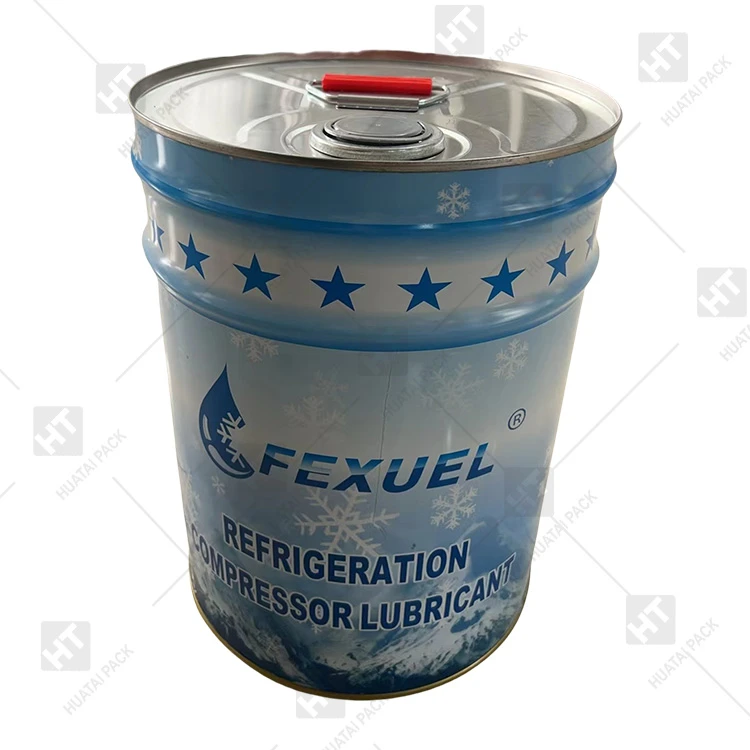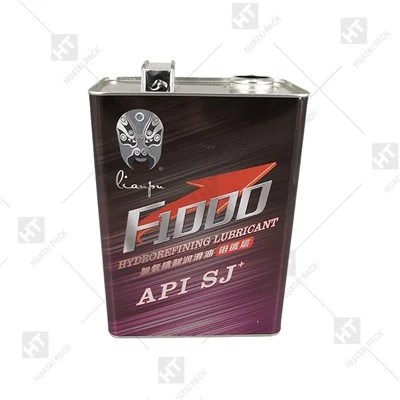


Does Glue Can need to be stirred regularly when storing glue?
Jul 09, 2025
I. Situations that require regular stirring
1. Glue containing particles or fillers
Such as caulking glue, epoxy putty, cement-based adhesives, etc., this type of glue usually contains solid particles such as quartz sand and calcium carbonate. After standing for a long time, the particles will sink due to gravity, resulting in uneven composition of the upper and lower layers (thin upper layer, thick lower layer). ** Regular stirring (recommended once a week)** can avoid performance degradation after curing (such as insufficient strength, poor adhesion). For example, if tile glue is not stirred during storage, uneven adhesion may occur during use, causing tiles to fall off.
2. Solvent-based or easily delaminated glue
For solvent-containing glue (such as all-purpose glue, chloroprene glue) or water-based emulsion glue (such as latex paint, white latex), the solvent and colloid may slowly delaminate due to density differences. When stored for more than 3 months, it is recommended to stir once a month to prevent the phenomenon of "thin upper layer and thick lower layer" or gelation. For example, after the solvent-based glue is layered, direct use may cause a sudden increase in viscosity due to excessive solvent evaporation, affecting the uniformity of coating.
3. Scenarios with high requirements for component uniformity
In industrial production or precision construction, if the performance of the glue is sensitive to the ratio of components (such as the mixing ratio of AB materials in two-component glue), it is necessary to ensure long-term uniformity during storage. The tank can be gently shaken every week or stirred at a low speed with a stirring rod to avoid deviation in the ratio of use due to precipitation, which affects the final curing effect (such as incomplete curing and increased brittleness).
2. Situations where frequent stirring is not required
1. Single-component and highly stable glue
Such as instant glue (cyanoacrylate), hot melt glue (solid particles), silicone sealant (single-component neutral glue), etc., have a single component and stable chemical properties, and are not easy to layer or precipitate at room temperature. Normal storage (6-12 months) does not require stirring and can be used directly. For example, when storing household glass glue jars, as long as they are well sealed, no additional operation is required.
2. Small-sized or short-term storage glue
Portable glue with a capacity of less than 100ml, or products that are expected to be used up within 1-2 months, do not need to be stirred deliberately because the ingredients have not yet been clearly stratified due to the short storage time. For example, a small can of white latex for manual use can be used up as soon as possible after opening. Frequent stirring may introduce air and cause oxidation and deterioration.
3. Products with added anti-precipitation additives
Some high-end glues (such as structural adhesives for automobiles and aerospace adhesives) will add anti-precipitation ingredients such as fumed silica and thixotropic agents to prevent particle sedimentation by increasing the viscosity of the system. This type of product can remain uniform during the shelf life (usually 2-3 years) without stirring, but it is necessary to confirm whether there is abnormal precipitation (such as lumps) before use.
III. Precautions for stirring and alternative methods
1. Key points of operation
Avoid violent stirring: high-speed stirring may introduce bubbles, especially for sensitive products such as anaerobic glue and optical glue, bubbles will cause bonding defects. It is recommended to use a clean stirring rod to slowly stir along the wall of the can, or to shake the can horizontally to mix the contents.
Clean tools: Before stirring, make sure that the tools are free of oil, moisture or other impurities to avoid contaminating the glue. For example, metal cans can use special stainless steel rods, and plastic cans should avoid scratching the inner wall.
2. Alternatives
Inverted storage: For glue containing particles, the can can be inverted for 10-20 minutes regularly to use gravity to redisperse the precipitation and reduce the frequency of stirring.
Temperature and humidity control: The storage environment temperature is maintained at 5-25℃ to avoid high temperature causing solvent volatilization and low temperature causing colloid coagulation, reducing the risk of stratification from the source.
If you want to know whether Glue Can needs to be stirred regularly when storing glue, you can consult our customer service staff, and we will serve you wholeheartedly 24 hours a day!