

How is Glue Can recycled?
Jul 07, 2025
I. Material classification and pretreatment
1. Common material judgment
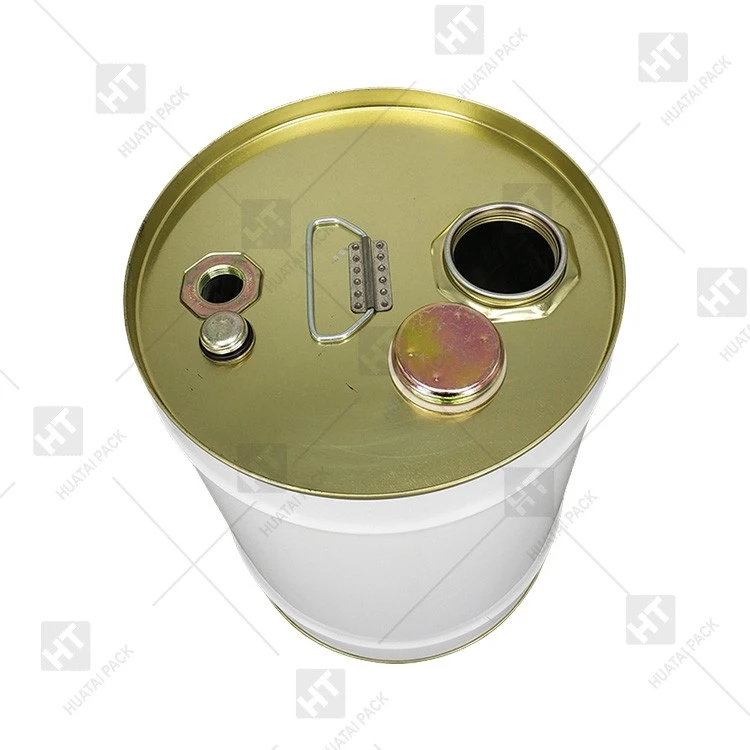
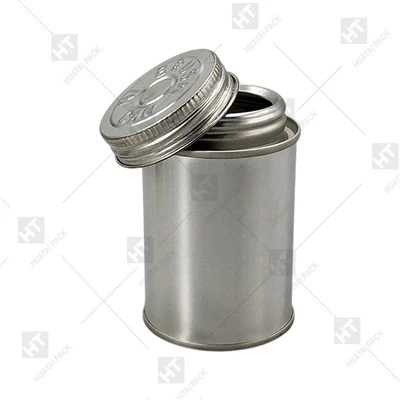
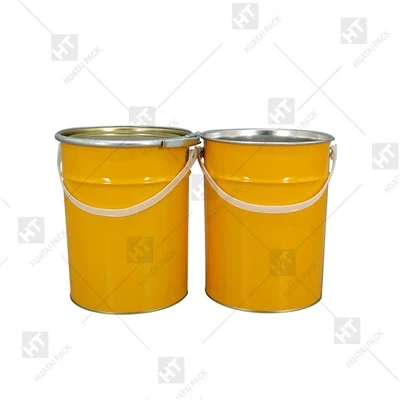
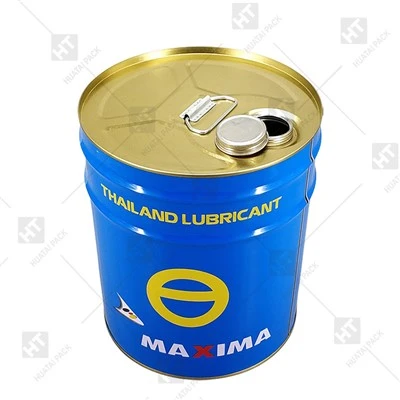
Metal cans (such as tinplate and aluminum cans): The surface may be coated with anti-rust coating or printing ink, and the residual glue inside is mostly organic polymers (such as acrylic acid and epoxy resin).
Plastic cans (such as PET and HDPE): The resin type needs to be distinguished (numbers 1-7 in the triangle mark on the bottom of the can), which are commonly PE (number 2) or PP (number 5). The residual glue may contain solvents (such as toluene and acetone).
Composite material cans: such as metal + plastic combination caps, need to be disassembled to separate different materials.
2. Pollution treatment
Uncured glue residue: If the glue in the can is not completely dry, it can be inverted to drain or the remaining colloid can be cleaned with a scraper to avoid direct disposal and soil or water pollution. For example, water-based glue (such as white latex) is soluble in water and can be rinsed with clean water and then drained; oil-based glue (such as all-purpose glue) needs to be wiped with corresponding solvents (such as alcohol, gasoline), and attention should be paid to ventilation and fire prevention during operation.
Fully cured glue: If the glue has hardened into a solid, you can try to break it up and take it out (metal cans need to avoid damaging the can body), or treat it separately as solid waste, and do not mix it with recyclables.
2. Recycling paths for different materials
1. Metal glue cans
Recyclable situation: Metal cans without severe rust and chemical pollution are recyclable and need to be put into blue trash cans or handed over to professional recycling stations. For example, cleaned tinplate cans can be melted and recycled into metal raw materials, and aluminum can recycling can save 95% of energy consumption.
Non-recyclable: If there are strong acids, strong alkalis or toxic glues (such as instant glue containing cyanoacrylate) remaining on the inner wall, it must be treated as hazardous waste (special marking is required in some areas) and cannot be directly put into the metal recycling process to avoid releasing toxic gases (such as dioxins) during smelting.
2. Plastic glue cans
Recyclable: Clean and dry single-material plastic cans (such as HDPE, PP) are recyclable. You need to tear off the label and remove the plastic cover (if it is the same material as the can body, it can be recycled together) and put it in the blue trash can. For example, PET plastic cans can be recycled into polyester fibers or new plastic bottles.
Non-recyclable: Plastic cans that are severely contaminated with glue and cannot be cleaned, or composite materials (such as metal covers + plastic can bodies) that have not been disassembled, need to be treated as other garbage (gray trash cans) to avoid affecting the purity of recycled plastics.
3. Special materials or composite cans
Glass glue cans: If it is a glass bottle + metal cover, the glass (put into the green trash can) and the metal cover (blue trash can) need to be separated, and the residual glue needs to be cleaned up to avoid impurities mixed into the glass during recycling, which may cause the furnace to be blocked.
Glue cans with electronic components: For cans with electric stirring function, the electronic components (such as motors and circuit boards) must be removed first, and they must be treated separately as hazardous waste (including heavy metals), and the cans must be recycled according to material classification.
III. Environmental protection treatment precautions
Do not discard at will: Uncleaned glue cans may release volatile organic compounds (VOCs) and pollute the air; residual glue seeping into the soil will affect microbial activity and damage the ecology.
Follow local policies: Some cities have special regulations on chemical packaging waste. For example, Beijing requires that industrial glue cans must be handed over to qualified hazardous waste treatment companies, and individuals cannot directly throw them into ordinary trash cans.
Enterprise-side responsibility: Industrial-grade glue cans (such as barreled adhesive containers) are mostly hazardous waste (HW49), which must be handled by qualified institutions entrusted by the manufacturer or user unit, and safely disposed of by incineration, chemical decomposition, etc., and are prohibited from mixing with domestic waste.
DIY reuse: If there is no safety hazard after the glue can is cleaned, it can be transformed into handmade products such as storage boxes and pen holders to reduce resource waste (such as using metal cans to make succulent flower pots, but ensure that there is no chemical residue).
If you need high-quality Glue Can, please contact Huatai Packaging Products for more questions.