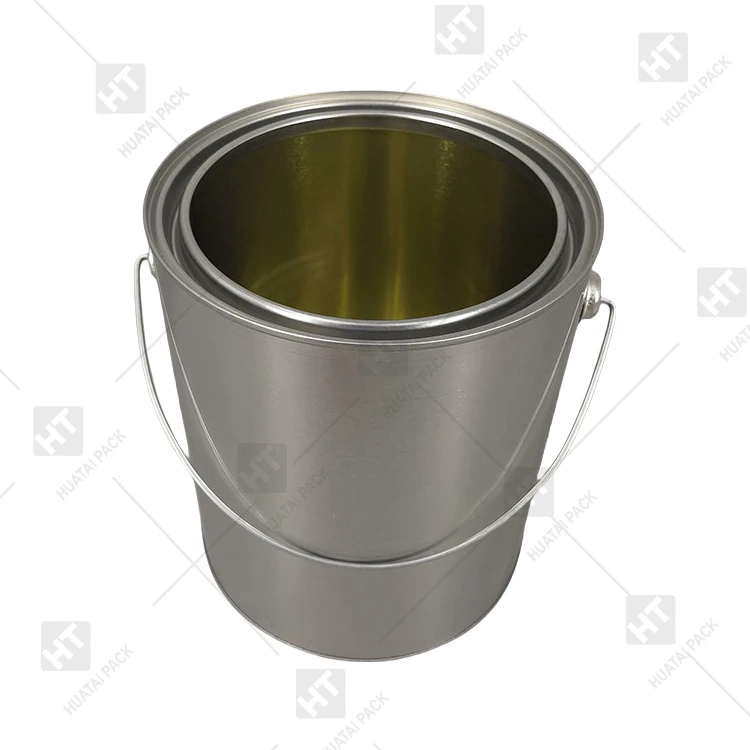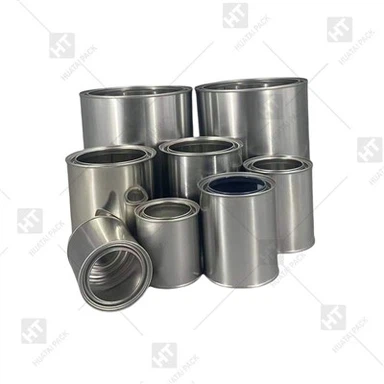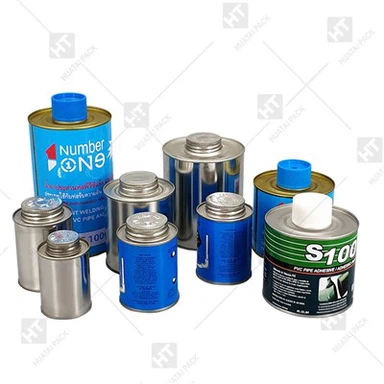


How to clean and maintain Small Round Metal Can
Jul 04, 2025
I. Cleaning steps and methods
1. Daily cleaning (food contact scenario)
Gentle cleaning: Use warm water and neutral detergent (such as dishwashing liquid) to wipe the inner and outer walls with a soft sponge or cotton cloth, and avoid using steel wool or hard brushes to scratch the surface coating (especially the inner wall anti-corrosion layer). For example, cans that have been filled with milk powder need to be thoroughly cleaned of residual powder to prevent mold growth.
Gap treatment: The silicone sealing ring of the screw-top can is easy to hide dirt, so it needs to be removed and cleaned with a toothpick or fine brush to clean the residue in the gap (such as coffee grounds, sugar grains) to avoid odor residue or sealing failure.
Rinse and dry thoroughly: After cleaning, rinse the detergent residue with clean water, drain it upside down or wipe it dry with a clean paper towel. Important: Metal cans should not be left with water for a long time, especially uncoated tinplate materials, which are prone to rust and corrosion.
2. Stubborn stain treatment
Oil stains/peculiar smell: For jars that have been filled with oily substances (such as cooking oil and honey), soak them in hot water and baking soda for 10-15 minutes, and then wash them according to the usual steps; if there is a peculiar smell, soak them in lemon slices or tea leaves to remove the odor.
Rust treatment: If there is slight rust on the outside of the jar, you can gently polish it with fine sandpaper and apply a layer of transparent nail polish to prevent rust; jars with rust on the inner wall cannot be used for food storage and need to be directly eliminated.
Industrial cleaning: Jars that have been filled with chemical reagents or pigments need to be wiped with the corresponding solvent (such as alcohol, acetone), then washed with soapy water, and finally rinsed with clean water and dried thoroughly to avoid residual reactions between different substances.
II. Maintenance points and precautions
1. Targeted material maintenance
Tinplate cans (with coating): Avoid containing acidic liquids (such as vinegar, juice) or foods with high salt content (such as pickled products) to prevent the metal from being exposed and rusting after the coating is corroded.
Aluminum alloy cans: Avoid contact with alkaline substances (such as washing powder, caustic soda) to avoid electrochemical corrosion; wipe dry in time after cleaning to prevent the surface oxide film from being damaged.
Uncoated metal cans: Only suitable for dry solids (such as parts). If used for food, it is necessary to confirm that the material is food-grade stainless steel and dry thoroughly after each use.
2. Sealing system maintenance
Silicone ring maintenance: Regularly check whether the sealing ring is aging or cracking. If hardened or deformed, it needs to be replaced in time (it is recommended to be replaced every 1-2 years); when storing, avoid long-term pressure on the sealing ring, and loosen the lid to keep it in a relaxed state.
Curled sealed cans: Do not forcibly pry open the seal (such as canned cans) to avoid damaging the seal; the edges of the reusable curled cans need to be checked for flatness. If there are dents or burrs, they need to be repaired before use.
3. Storage environment optimization
Moisture-proof and sun-proof: The cleaned cans should be stored in a dry and ventilated place to avoid direct sunlight that may cause material aging (such as embrittlement of the sealing ring); in a humid environment, a desiccant (such as a silica gel bag) can be placed in the can to prevent moisture from returning to the inner wall.
Classification and storage: Food-grade and non-food-grade jars are strictly distinguished to avoid residual chemicals in industrial jars that contaminate food; jars for different purposes (such as seasonings and tools) are stored separately for quick access.
3. Special scene processing
High temperature disinfection: If it is needed to store baby food or medicine, the cleaned jars can be put into boiling water for 5-10 minutes for disinfection, and then taken out and inverted to dry (Note: jars with electronic components or non-heat-resistant materials cannot be treated at high temperatures).
Long-term idle maintenance: After the jars that have not been used for a long time are thoroughly dried, a thin layer of mineral oil (such as vaseline) should be applied to the inner wall to prevent rust, and the jar mouth should be wrapped with plastic wrap to prevent dust and stored in a cool place.
If you want to know how to clean and maintain Small Round Metal Can, you can consult our customer service staff, we will serve you wholeheartedly 24 hours a day!