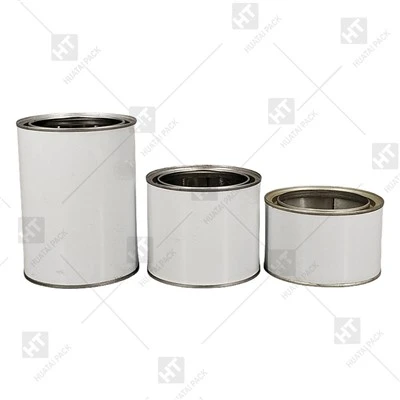


What are some common problems and solutions for stainless steel olive oil cans?
Mar 06, 2026
1. Difficult-to-clean oil residue: After long-term storage of olive oil, an oil film easily adheres to the inner wall of the can, especially in corners and threads, making it difficult to clean.
Solution: First, absorb the residual oil with kitchen paper. Then, apply a baking soda paste (baking soda + water) and let it sit for 10 minutes. Use a soft-bristled brush to scrub along the grain. Finally, rinse with clean water and let it air dry thoroughly.
Advanced suggestion: For stubborn oil stains, soak in a white vinegar solution (white vinegar: water = 1:1) for 30 minutes to effectively decompose oxidized grease.
2. Water spots or water stains: If not dried promptly after cleaning, minerals in the water precipitate out, forming white spots, affecting appearance and even inducing localized corrosion.
Solution: Immediately wipe dry with a lint-free dry cloth or allow to air dry naturally. If water spots already exist, gently wipe them away with lemon juice, then rinse with clean water. **Prevention Measures:** Ensure complete drying after each cleaning. Store in a dry, well-ventilated place.
3. Minor Scratches on the Surface: Scratching with steel wool or hard objects damages the surface's texture, affecting gloss and fingerprint resistance.
Emergency Repair: Apply a small amount of olive oil to the scratch and spread evenly with a lint-free cloth. The oil can temporarily fill the scratch and enhance reflectivity.
Long-Term Treatment: Use toothpaste (non-gel type) with a soft cloth to polish along the grain to reduce shallow scratches.
4. Darkening, Rainbow-like Stripes, or Oxidation Spots on the Surface: Often caused by cleaning agent residue, prolonged exposure to humid air, or grease oxidation. Symptoms include a matte finish, rainbow-colored stripes, or brown spots.
Solution: Wipe the affected area with a white vinegar solution (1:1 diluted). Let it sit for 5 minutes, then rinse thoroughly.
Deep Maintenance: Regularly polish with a specialized stainless steel cleaner to restore metallic luster.
5. Poorly sealed cap, oil leakage, or air intake. Aging, deformation, or worn threads of the sealing ring can cause seal failure, affecting the oil's shelf life.
Inspection steps: Confirm that the sealing ring is intact and free of cracks, and that the threads are aligned; replace any damaged parts promptly.
Enhance the seal: Apply a small amount of food-grade silicone grease to the threads to improve sealing and smoothness of opening and closing.