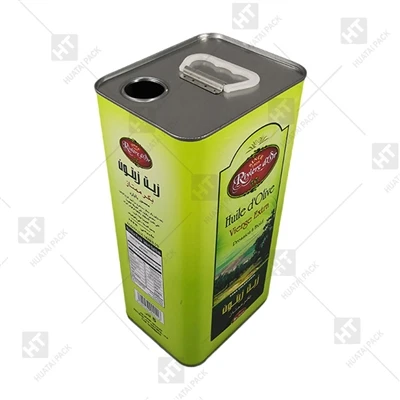


How to clean and maintain a stainless steel olive oil can?
Mar 02, 2026
1. Daily Cleaning Steps
Empty the can: Pour out any remaining olive oil as soon as possible after use to prevent oxidation and rancidity caused by prolonged sitting.
Warm water rinse: Rinse the inner wall with warm water (around 40℃) to soften any adhering oil film.
Wiping with neutral detergent: Spray a small amount of neutral detergent onto a soft cloth or sponge and gently wipe the inner wall and lid along the grain of the stainless steel. Do not use steel wool to avoid scratching the surface.
Treatment of stubborn oil stains: If the oil stains are thick, you can mix baking soda with water to form a paste, apply it, let it sit for 10 minutes, then wipe with a soft cloth, and finally rinse thoroughly with clean water.
Thorough drying: After cleaning, be sure to wipe it dry with a dry cloth or let it air dry naturally to avoid water stains or localized rust.
2. Deep Maintenance Recommendations
Regular Oxide Film Removal: Slight rainbow-like patterns or oxidation spots may appear after long-term use. This is caused by detergent residue or grease oxidation. These can be gently wiped away with a 1:1 diluted white vinegar solution.
Protective Layer Formation: Once a month, apply a thin layer of food-grade mineral oil or olive oil to the inner wall of the tank. Let it stand for 10 minutes, then wipe it evenly with a dry cloth. This helps prevent moisture and rust.
Storage Environment: Store in a cool, dry place. Avoid coexistence with acidic or alkaline substances. It is recommended to use in areas with soft water systems to reduce scale formation.
3. Industrial-Grade Maintenance Reference (Applicable to Large Oil Storage Tanks)
For stainless steel oil storage tanks of 20 tons and above, high-temperature steam cleaning + compressed air purging and drying are recommended, along with regular passivation treatment to improve corrosion resistance.