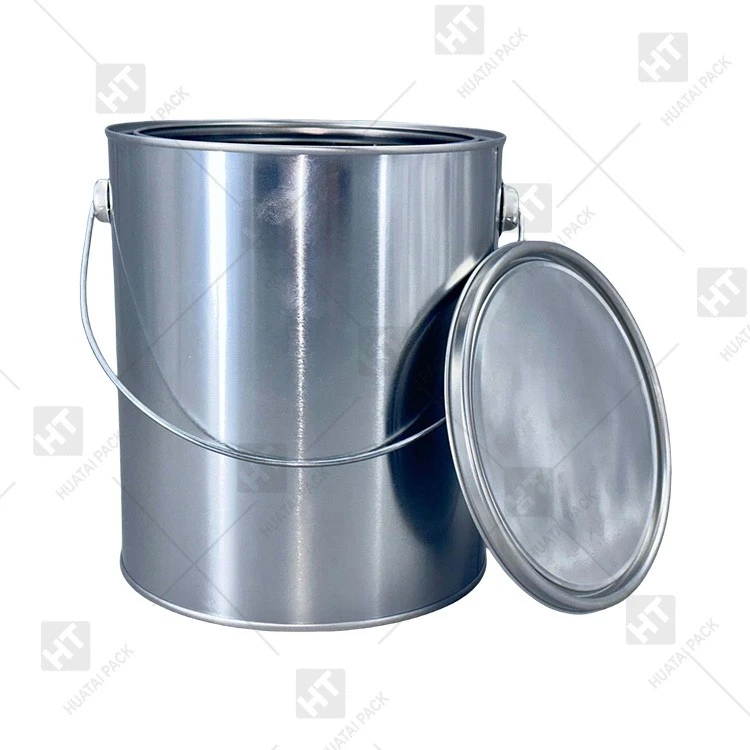


How to Distinguish Between Genuine and Fake Pure Tin Buckets
Jul 13, 2026
I. Listen to the Sound
Lightly brush the bucket with your fingernail. 99.9% high-purity tin produces a dull, ringing sound with no noticeable echo.
Fake tin buckets containing lead or other impurities will produce a clear, metallic sound with a brief echo.
II. Observe the Color
Genuine high-purity tin buckets, after polishing, have a warm, silvery sheen and a delicate texture, similar to matte silverware.
Inferior fake tin buckets have a dark, whitish color, and may even show rainbow-colored spots or green rust, indicating the presence of impurities such as copper or nickel.
III. Identify the Material
For tin buckets of the same volume, fake tin buckets containing lead will feel heavier, while genuine pure tin buckets have a uniform density and a weight conforming to the standard of 7.28 g/cm³.
Genuine pure tin is relatively soft and will leave shallow marks with slight pressure; fake tin buckets, mixed with other metals, are hard and will leave almost no marks.
IV. Examine the Craftsmanship
Genuine high-purity tin cans achieve a seal with just a single outer lid. When forcefully closed, they will slightly spring back. They are mostly hand-assembled and feature intricate openwork carvings.
Fake tin cans are hard and rely on double-layered lids for sealing. They are often machined in one piece, with harsh embossed edges and very few traces of handcrafting.
V. Check Labels and Prices
Genuine, high-purity tin cans will be marked with the "S999 food-grade" label, conforming to the national standard GB 4806.9-2016.
Tin is a precious metal. Products with excessively low prices are likely alloy fake tin cans, posing a safety hazard of heavy metal leaching.