

How to Safely Transfer Paint Cans
May 08, 2026
I. Emergency Preparations Before Transfer
1. Personal Protective Equipment: Wear chemical-resistant gloves, safety goggles, and a gas mask (A2B2E2K2-P3 filter cartridge recommended). Avoid skin contact or inhalation of harmful volatile substances such as benzene and ketones.
2. Environmental Control: Ventilate the area where the leaking paint can is located by opening doors and windows or turning on exhaust ventilation equipment.
Smoking and open flames are strictly prohibited. Turn off nearby electrical appliances and do not use mobile phones, lighters, or other items that may generate sparks.
3. Tool Preparation: Prepare absorbent cotton, leak-proof trays, sealed containers (such as explosion-proof tonnes), non-slip gloves, and explosion-proof handcarts (if available).
II. Safe Transfer Procedures
1. Initial Leak Control: For minor leaks, wrap the leak point with absorbent cotton to slow the flow. For moderate to severe leaks, first construct a "V"-shaped containment dike with absorbent cotton to prevent the paint from spreading.
2. Stable Handling
Hold the can firmly with both hands, keeping it upright to avoid tilting or shaking that could cause splashing.
Use non-slip gloves to enhance grip and prevent slippage.
If the can is heavy or leaking significantly, it is recommended to use an explosion-proof handcart for transfer to avoid the risks of manual handling.
3. Route Selection
Choose a route away from densely populated areas, sources of ignition, and drainage systems.
Avoid enclosed spaces such as elevator shafts and basements to prevent the accumulation of harmful gases.
III. Transfer to a Safe Container or Disposal Point
1. Pour into a Compliant Container
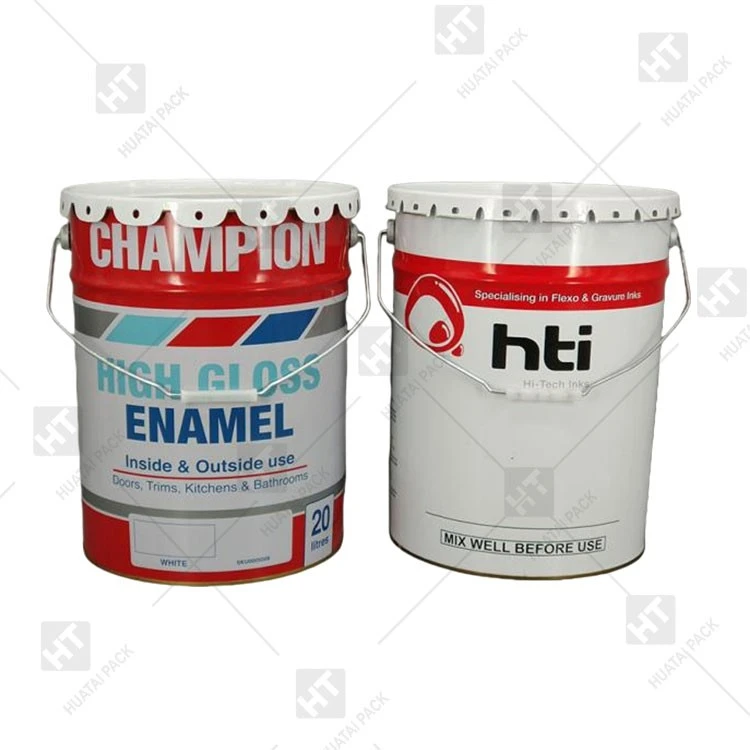
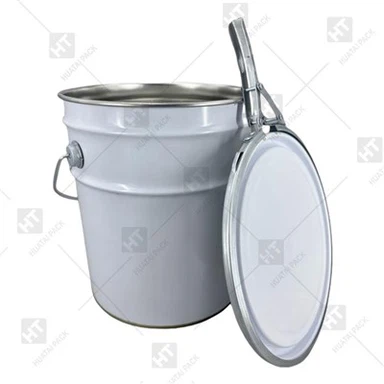
Slowly pour the remaining paint into a well-sealed, compatible spare can (such as an HDPE plastic can or metal drum).
Use a funnel when pouring to minimize splashing, and perform the operation in a well-ventilated area.
2. Label and Isolate the Original Can
Immediately after transferring the leaking paint can, affix a "Hazardous Waste" label to prevent misuse.
Store it in a leak-proof pallet for professional recycling.
IV. Handling Special Circumstances
1. Spray paint can leaking: Do not attempt to move or repair it yourself. Isolate the area on site and notify professional personnel to handle the situation to prevent the risk of explosion.
2. Large leak has spread: If the paint has already flowed onto the ground or into water, immediately stop moving the paint and contact 119 (fire department) or the Environmental Protection Bureau for intervention.
⚠️ If symptoms of poisoning such as dizziness or nausea occur during the transfer process, immediately evacuate to a well-ventilated area. If necessary, call 120 (emergency services) for medical attention.