

How to Properly Close Paint Cans to Keep Them Fresh
Feb 06, 2026
I. Sealing is Key
1. Clean the Can Opening: After each use, thoroughly wipe the rim of the can with a paper towel or cloth to remove any remaining paint. This is essential for a leak-proof seal.
2. Choose a Sealing Method:
Original Cap + Plastic Wrap: After tightening the cap, wrap the opening with plastic wrap or a plastic bag. This effectively isolates the can from air and is the most common method.
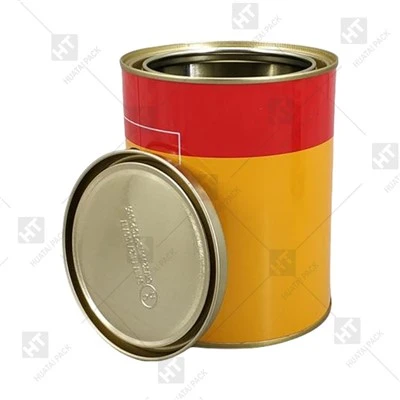
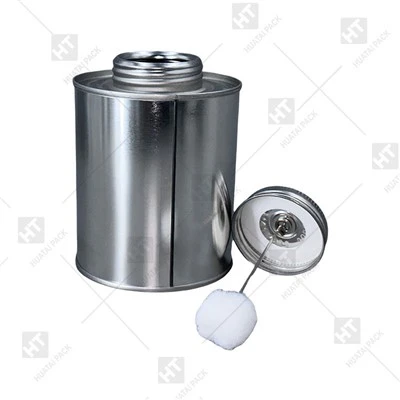
Dedicated Sealing Cap: Specially designed sealing caps for paint cans are available on the market, offering better sealing and suitable for long-term storage.
Simple Physical Sealing: For large paint cans, try heating a plastic bottle with a heat gun and placing it over the opening to create a vacuum seal. This is more secure than the original cap.
3. Check the Sealing: After sealing, gently shake the can to check for any paint or air leaks.
II. Proper Storage
1. Suitable Environment:
Temperature: Ideally between 15-25℃. Avoid high temperatures (accelerate deterioration) or low temperatures (may cause solidification).
Humidity: Keep dry. A humid environment will make water-based paint prone to moisture absorption and deterioration.
Avoid Light: Store in a cool, dark place, away from direct sunlight and heat sources.
2. Storage Method:
Small Cans of Paint: If there is a small amount left, store them upside down (mouth down) to prevent surface skin formation.
Large Cans of Paint: Store upright, but make sure the lid is tightly closed.
3. Safety First: Keep away from fire, children, and pets. Avoid collisions and squeezing.
III. Regular Inspection
Check the condition of the paint periodically:
1. Observation: Look for hard skin, mold, or severe separation.
2. Smell: If there is an abnormal odor such as rancidity or mold, it may have deteriorated.
3. Try stirring: If the paint is thick or lumpy, try stirring. If it cannot be stirred back to a uniform state, do not use it.