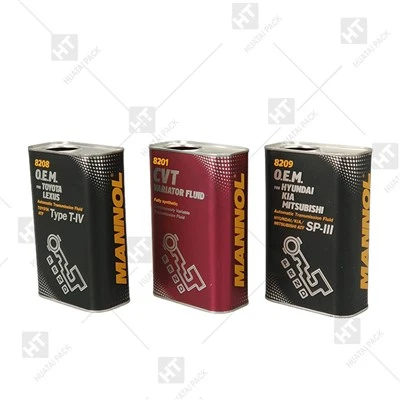


How to Properly Open a Paint Can?
Feb 04, 2026
Preparation Before Opening
1. Environment: Operate on a dry, level surface to prevent the can from rolling.
2. Tools: Prepare a flathead screwdriver, a can opener or pliers, and a clean cloth or rubber gloves (to increase friction).
3. Protection: It is recommended to wear gloves and safety goggles to avoid paint splashes on your skin or eyes.
Operating Steps and Techniques
Choose the appropriate method based on the type of seal:
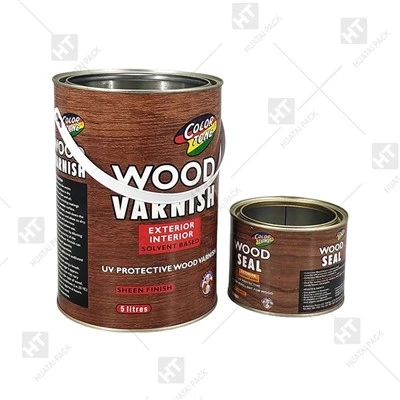
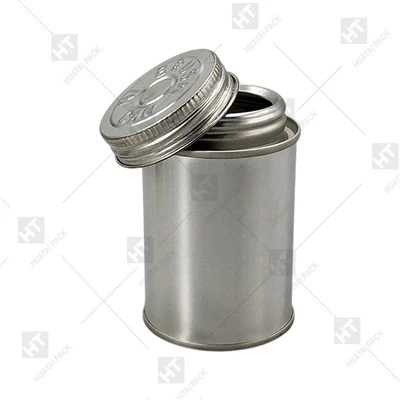
1. Rotary Cap (Most Common):
Bare Hands: Wrap the cap with a clean cloth to increase friction, then forcefully rotate it counterclockwise.
Assisted Tools: If it's stuck, insert a screwdriver or can opener into the edge of the cap and gently pry it loose before rotating to open.
Caution: Do not use excessive force to avoid deforming the cap or splashing paint.
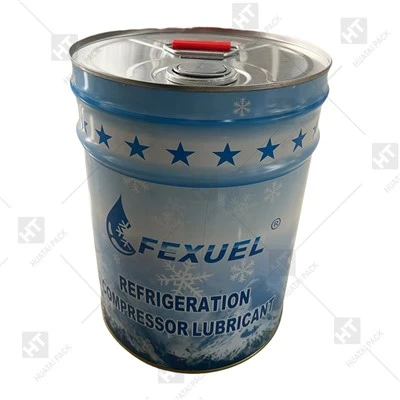
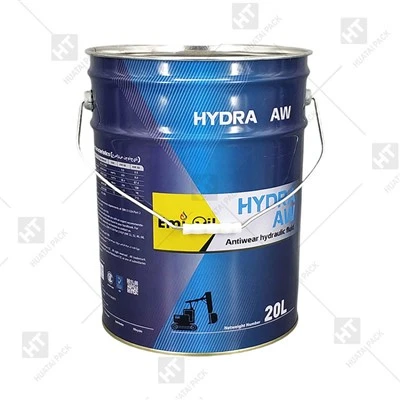
2. Clip-on lids (common on sheet metal paint cans):
Pry open the clips: Insert a screwdriver into the clips on the edge of the lid and gently pry. Usually, you only need to pry open halfway, then open the lid at about a 45-degree angle.
Important: There is usually a rubber sealing gasket at the bottom of the lid. Be careful not to break it, otherwise it will affect the seal.
Heating assistance: If the lid is difficult to open due to aging sealant, you can soak a towel in hot water and apply it to the lid for a few minutes. The principle of thermal expansion and contraction will make the lid easier to open.
3. Lids with lead seals or sealing strips:
Remove the seal: Carefully tear or scrape off the lead seal and sealing strip.
Open the lid: Then open it using a rotating or clip-on method.
Precautions after opening:
1. Check the paint condition: After opening, first observe whether the paint has sediment, separation, or an unusual odor. If any abnormalities are found, it may have deteriorated and should not be used.
2. Stir thoroughly: If there is any sediment, stir the paint thoroughly with a stirring rod.
3. Store leftover paint: After use, seal the can tightly to prevent paint evaporation and contamination.
Safety and Environmental Tips
1. Safety First: Take care when using tools to avoid cuts. If paint splashes on skin, wash immediately with soap and water.
2. Environmentally Friendly Disposal: Empty paint cans should be disposed of as hazardous waste and should not be discarded indiscriminately.