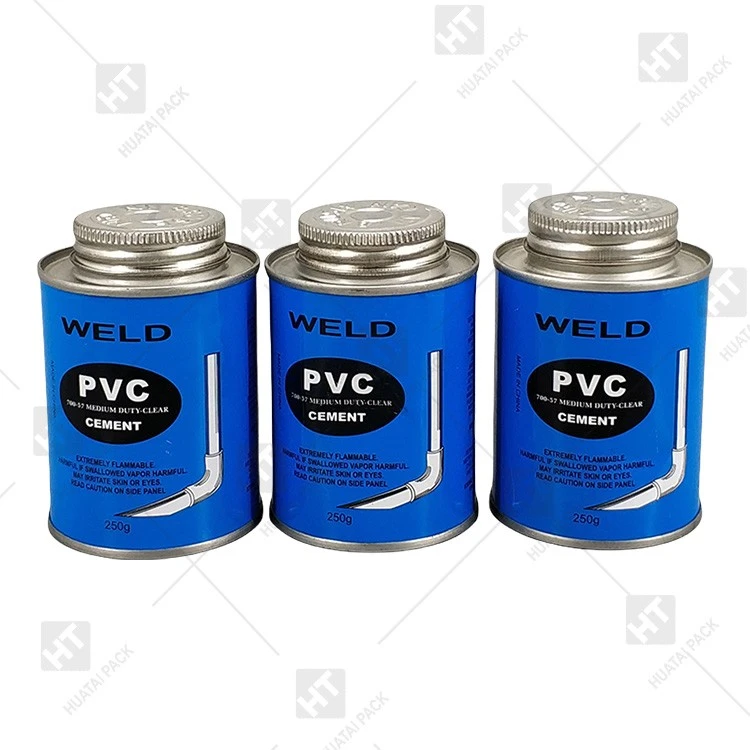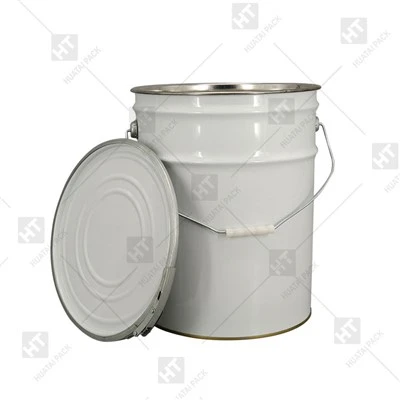


How to prevent the inside of glue cans from rusting?
Mar 30, 2026
1. Choose corrosion-resistant materials
304 or 316 stainless steel tank: Possesses a natural chromium oxide passivation film, offering strong corrosion resistance, especially suitable for long-term storage of adhesives containing moisture or weak acids.
Zinc-plated or tin-plated iron cans: The zinc/tin layer can act as a sacrificial anode to protect the base iron, but attention must be paid to the integrity of the coating; damage can easily lead to localized electrochemical corrosion.
✅ Recommendation: For high humidity or acidic adhesive environments, 316 stainless steel is preferred, as its molybdenum element enhances resistance to chloride corrosion.
2. Inner wall coating protection
Epoxy resin or polyurethane lining: Forms a dense insulating layer, effectively preventing contact between the adhesive and metal, suitable for industrial-grade adhesive storage tanks.
Food-grade anti-corrosion coating spraying: Sprayed after sandblasting, enhancing adhesion and preventing coating peeling due to temperature changes.
⚠️ Key Points for Application: Thoroughly remove rust and oil before coating, ensuring the surface is clean and dry to avoid "operating with a defective surface."
3. Control Storage Environment and Contents
Keep the can dry: Ensure the can is free of condensation before use. Maintain a relative humidity of 45%-55% during storage.
Reduce Oxygen Contact: Use nitrogen sealing: After filling, purge air with nitrogen to prevent oxidation.
Use vacuum-sealed caps: Suitable for small-capacity glue cans, reducing residual oxygen in the top space.
Temperature Management: Avoid high-temperature environments (>40℃), as high temperatures accelerate chemical reactions and promote corrosion.
4. Add Corrosion Inhibitors and Chemical Protection
VCI vapor phase corrosion inhibitor wrapping: Placed inside the can, it releases corrosion-inhibiting molecules, forming a protective film suitable for long-term storage.
Adding trace amounts of corrosion inhibitors (such as phosphate esters) to the adhesive: This is suitable for specific industrial adhesive formulations and requires ensuring compatibility with the adhesive.
5. Regular Maintenance and Inspection
Regular Draining and Cleaning: Clean up residual adhesive promptly after each use to prevent the adhesion of acids, alkalis, and salts that can cause localized corrosion.
Inspect the Inner Wall Condition: Address any minor rust spots immediately. They can be sanded with fine sandpaper and then a rust-preventive coating can be applied.
Daily Recommendation: Wipe the inner wall (non-food contact) with olive oil or a dedicated rust-preventive oil to form a temporary protective oil film.