

How to maintain a tight seal in paint cans under extreme temperatures
Aug 25, 2025
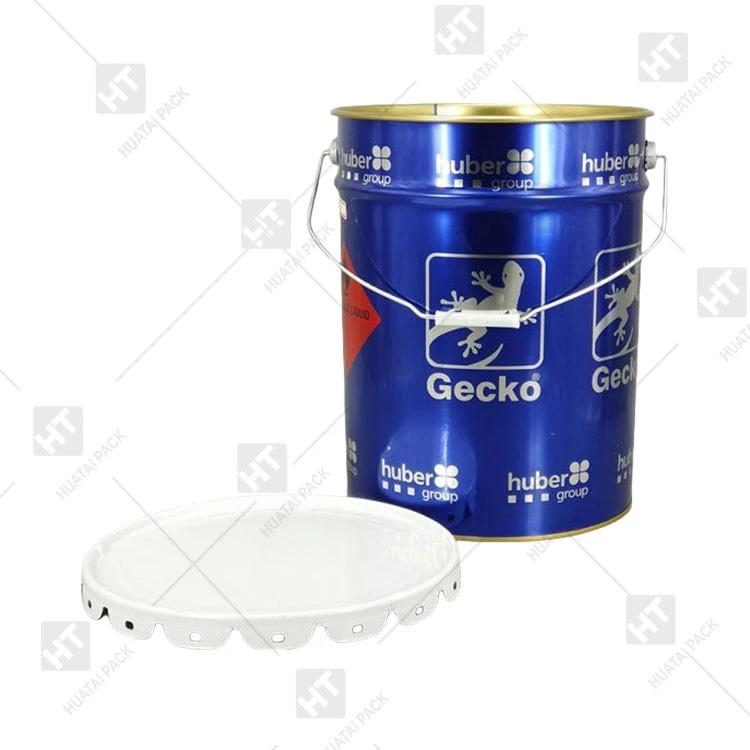
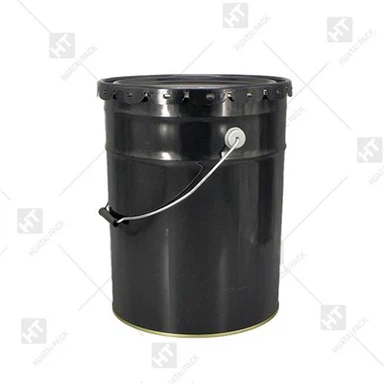
1. Choose a "spring-compensated" sealing lid
Add a "spring-reinforced graphite gasket" or "metal spiral wound gasket + elastic ring" between the can opening and the lid. A high-temperature-resistant alloy (such as Hastelloy C-276) spring applies continuous pressure, automatically compensating for thermal expansion and contraction, keeping leakage rates to <0.1%.
2. Upgrade can and lid materials
• Tinplate: Epoxy phenolic coating on the inner wall and powder coating on the outer wall. Resistant to temperatures between -40°C and +80°C.
• Aluminum cans: Lightweight and rust-resistant, but require thicker walls (≥0.3 mm) to prevent low-temperature brittle cracking.
• Plastic cans: Choose an HDPE composite barrier layer or PP+EVOH co-extrusion. They maintain deformation in temperatures between -10°C and +60°C; antifreeze is required for temperatures below -10°C. 3. Double-Safety Can Lid Design
• Main Lid: With screw-on seal and silicone seal ring;
• Secondary Lid: A layer of aluminum foil heat-sealed film is added to the inside of the easy-open lid to provide a secondary barrier against air and moisture.
• A 0.2 bar safety relief valve is installed on the top to prevent expansion and explosion due to high temperatures.
4. Transportation and Storage Measures
• Winter: Store in an insulated box with 2 cm thick EPS foam inside. Keep temperature fluctuations below 5°C. Avoid prolonged exposure to temperatures below -20°C during transportation.
• Summer: When the vehicle compartment temperature is ≥45°C, use reflective insulation bags or ice packs to reduce the temperature. Install ventilation or air conditioning in the warehouse to maintain a temperature between 5°C and 25°C and a relative humidity below 60%.
5. Key Points for On-Site Operations
• Immediately replace the can headspace with nitrogen or dry air after each opening to reduce condensation.
• Use a graduated, disposable inner plug to reduce wear on the seal caused by repeated opening and closing. • Regular inspection: Use soapy water to check the tank mouth, welds, and pressure relief valves every quarter. If bubbles are found, the tank will be eliminated.