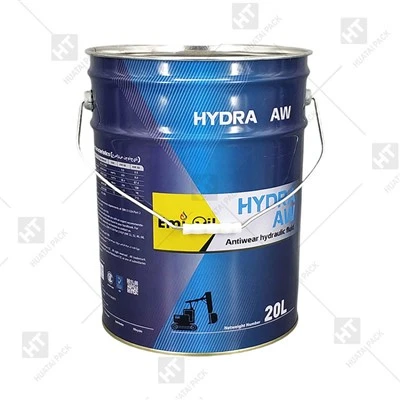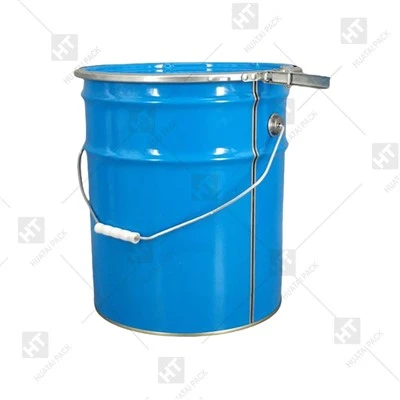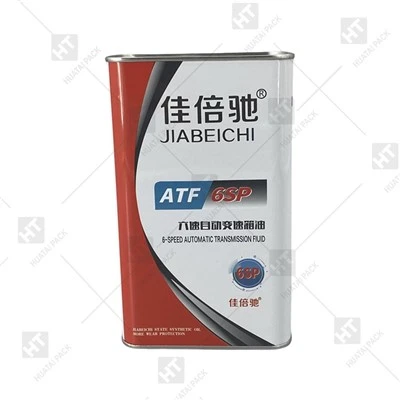


Does the material of the paint can affect storage?
Aug 22, 2025
1. Sealing and Volatility
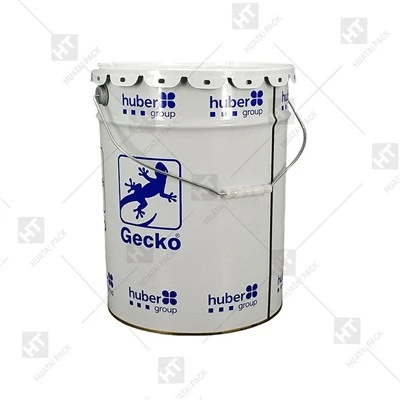
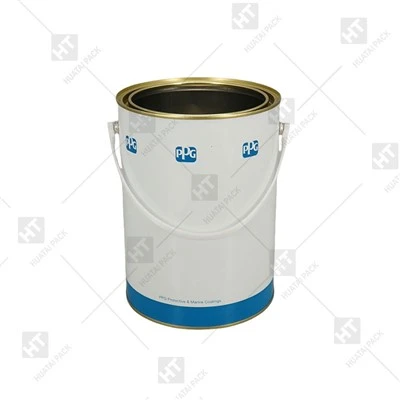
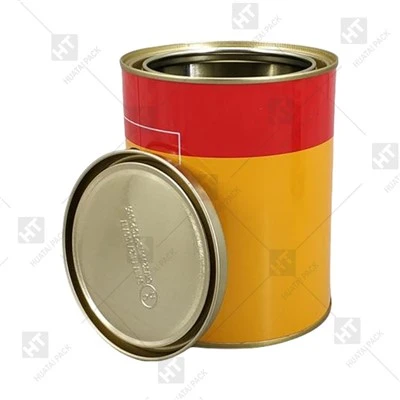
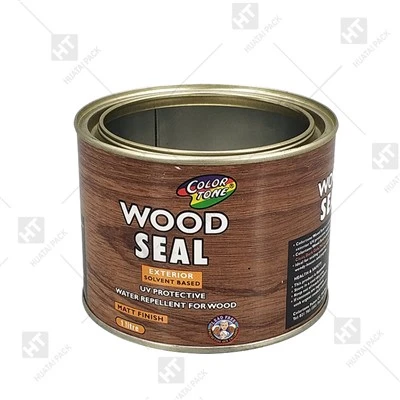
• Tinplate (Tin-coated Steel) Cans: Metal-to-metal crimp seal with a sealing ring provides the best airtightness and the lowest organic solvent volatility, making them suitable for long-term storage of oil-based paints.
• Aluminum Cans: Also metal crimp seal, but with thinner walls, prone to deformation from minor impacts, and slightly less sealing, making them suitable for small packages of 0.5-4 L.
• Plastic Cans (HDPE/PP): With screw-on or press-on caps, the sealing rings are susceptible to aging. Volatility is approximately 15-25% higher than metal cans and is only recommended for water-based paints or short-term storage.
2. Corrosion Resistance and Chemical Reactions
• Tinplate cans have an epoxy or phenolic coating on the inside, which protects the iron from solvent corrosion. If the coating is damaged, rust can contaminate the paint and catalyze gelation.
• Aluminum is inherently corrosion-resistant, but strong acids or chlorinated solvents may still cause corrosion spots. • Plastic is stable to acids and alkalis, but strong solvents (ketones and esters) can cause swelling or cracking, leading to leakage.
3. Temperature and Humidity Adaptability
• Metal cans conduct heat quickly, leading to a rapid temperature rise in high-temperature environments and accelerated oxidation. However, they are highly resistant to freezing cracking at low temperatures.
• Plastic cans conduct heat slowly, leading to a moderate temperature rise in short-term sunlight exposure, but are susceptible to brittle cracking at low temperatures. They are best suited for indoor storage at room temperature (5-25°C) in a dry, dark environment.
4. Storage Life Variations
• Under the same conditions, unopened oil-based paint lasts for: 5-7 years for tinplate cans, 3-5 years for aluminum cans, and 2-3 years for plastic cans. Once opened, it is recommended that all cans be used within one year.
• Water-based paint: Plastic cans are similar to metal cans, but aging of the seals in plastic cans can easily lead to moisture ingress and mold.