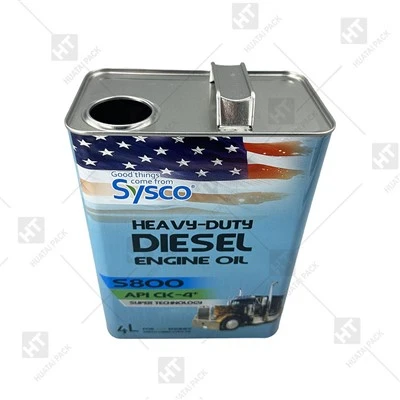


How to ensure the sealing of olive oil can?
Apr 11, 2025
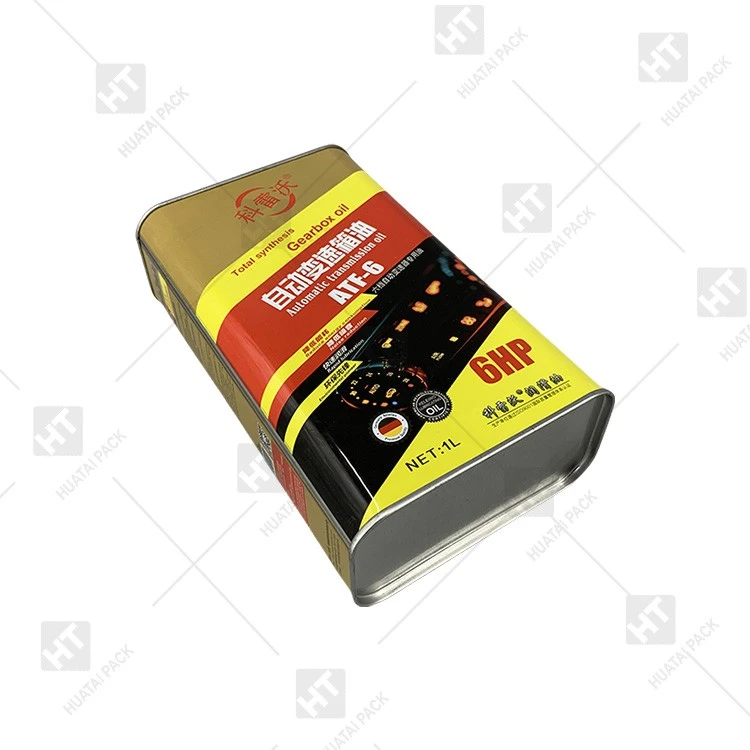
1. Design and construction stage
1. Choose suitable materials:
Use materials with strong corrosion resistance, such as stainless steel 304 or 316, to ensure the durability of the tank and sealing parts.
For small packaging tanks, choose high-quality food-grade plastic or glass, and equip them with high-quality sealing covers.
2. Optimize the tank structure:
Design a double-layer structure, the inner layer is used to store olive oil, and the outer layer is used for heat preservation and protection to enhance safety.
Set a conical structure at the bottom of the tank to facilitate the discharge of sediment and reduce the residue of olive oil in the tank.
3. Install a reliable sealing system:
For large oil tanks, install high-quality mechanical breathing valves and hydraulic safety valves to ensure their flexibility and prevent leakage caused by pressure changes.
At the connection between the tank and the pipeline and valve, use flanges and gaskets with good sealing performance, and ensure that the sealing surface is clean and flat during installation.
2. Daily maintenance and inspection
1. Regularly check the sealing parts:
Check whether the tank body, sealing ring, valve and flange parts have signs of wear, aging or deformation, and replace the damaged parts in time.
Check whether the breathing valve and flame arrester are unobstructed. In winter, the valve plate should be prevented from freezing due to ice.
2. Keep the tank clean:
Clean the oil tank regularly to remove the sediment and oil in the tank to reduce the risk of corrosion.
After cleaning, make sure the tank body is completely dry before sealing.
3. Use professional equipment to test the sealing:
Use pressure test, bubble test or professional sealing test equipment to regularly test the sealing of the oil tank.
For small packaging tanks, water test or bubble test can be performed to visually check the sealing.
3. Technical measures
1. Use advanced sealing technology:
Use high-quality rubber pads or sealing rings between the tank body and the lid, and cooperate with spring design to ensure that the sealing pad always fits tightly to the tank mouth.
For large oil tanks, an oil-free gas sealing system can be installed to achieve secondary sealing through a sealing capsule.
2. Fill with inert gas: Fill the oil tank with nitrogen or other inert gas to expel the oxygen in the tank, reduce the contact between olive oil and air, and prevent oxidation.
3. Control the storage environment: Place the olive oil tank in an environment with stable temperature and avoid direct sunlight to reduce the sealing problems caused by environmental changes.