

How to determine if an olive oil can is food grade?
Oct 17, 2025
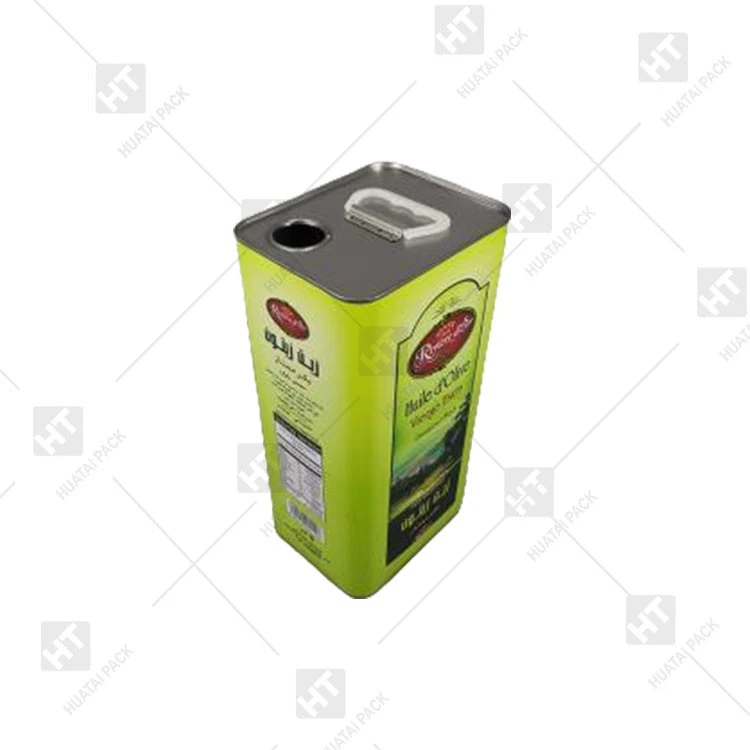
1. Material Requirements
1. Prefer dark glass or tinplate cans
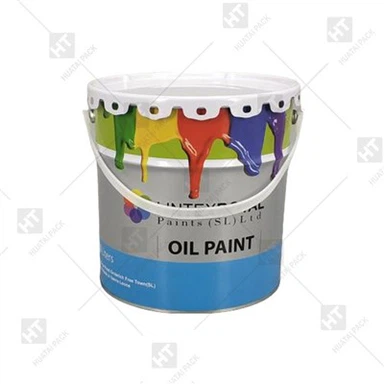
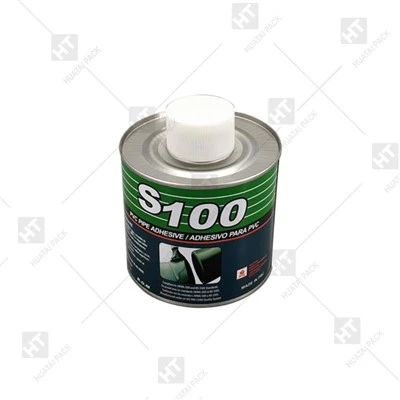
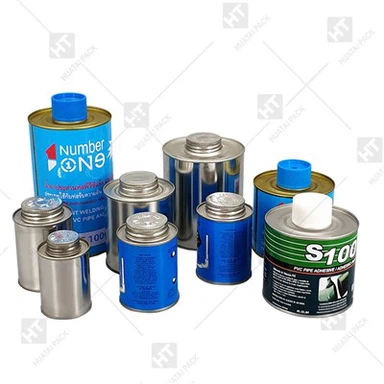
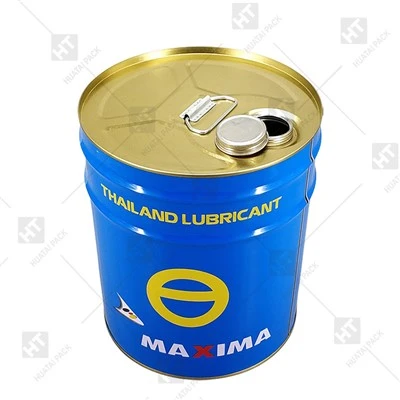
Food-grade olive oil cans should be made of opaque materials (such as dark glass or tinplate) to block light and prevent oxidation. Avoid transparent or light-colored containers. Tinplate cans must meet food-grade metal standards and have an anti-corrosion coating on the interior.
2. Avoid non-food-grade plastics
Some dark plastic cans may be controversial. We recommend choosing glass or metal to avoid potential chemical leaching risks.
2. Certifications
1. Check Production Standards and Certifications
The can should be labeled with food-grade production standards (such as the GB 4806 series) and safety certifications (such as QS or CIQ labels). Imported products must have a certificate of origin (such as EU PDO/PGI) and a Chinese label.
2. Barcode and Origin Information
The barcode on the can of genuine imported olive oil must match the country of origin (e.g., starting with 84 for Spain) and clearly indicate "original." III. Packaging Characteristics
1. Sealing and Light-Proofing Design
Food-grade cans must be well sealed, with no leaks from the opening and no light-permeable gaps in the can body.
2. Labeling Completeness
The Chinese label must fully include the product name (e.g., "Extra Virgin Olive Oil"), ingredients, acidity (preferably ≤ 0.8%), production date, and expiration date.