

What materials are olive oil cans typically made of?
Oct 15, 2025
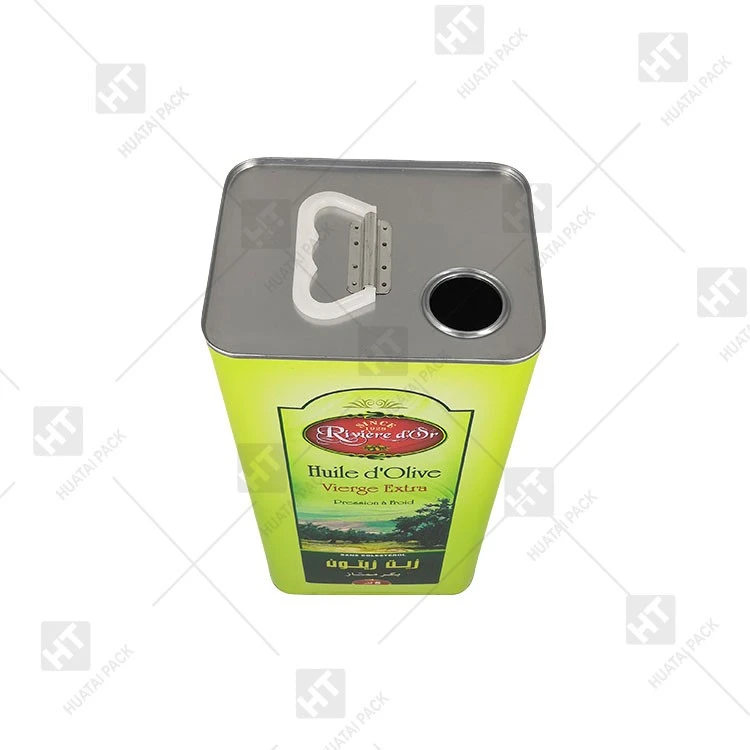
1. Metal Cans (Stainless Steel/Tinplate)
Advantages: Stainless steel and tinplate cans offer excellent light-shielding properties and airtight seals, effectively blocking oxygen and UV rays and slowing oxidation. Nitrogen-filled cans can extend the shelf life of extra virgin olive oil up to 36 months.
Precautions: Avoid using iron or copper, as they may produce toxic compounds. Tinplate cans typically require a food-grade coating to prevent corrosion.
2. Dark Glass Bottles
Advantages: Dark glass (such as amber or green) completely blocks light, preventing the breakdown of polyphenols, making it ideal for packaging extra virgin olive oil. Unopened, it can stay fresh for 24 months in a cool, dark environment.
Limitations: Fragile and heavy, resulting in higher shipping costs.
3. Plastic Containers
Suitable for: Suitable only for standard olive oil, as transparent plastic can easily transmit light, accelerating oxidation and potentially migrating harmful substances. PET or HDPE materials must be labeled food-grade certified.
Disadvantages: Shelf life is approximately 30% shorter than metal or glass containers.
4. Other Materials
Ceramic bottles: They offer both aesthetics and thermal insulation, making them suitable for short-term storage, but they lack sealing properties.
Disposable containers, such as flexitank containers, must comply with food contact material standards and are not reusable.