

How to Determine if a Paint Can's Sealing Performance is Good
Apr 27, 2026
I. Visual Inspection Method (Applicable to Daily Use)
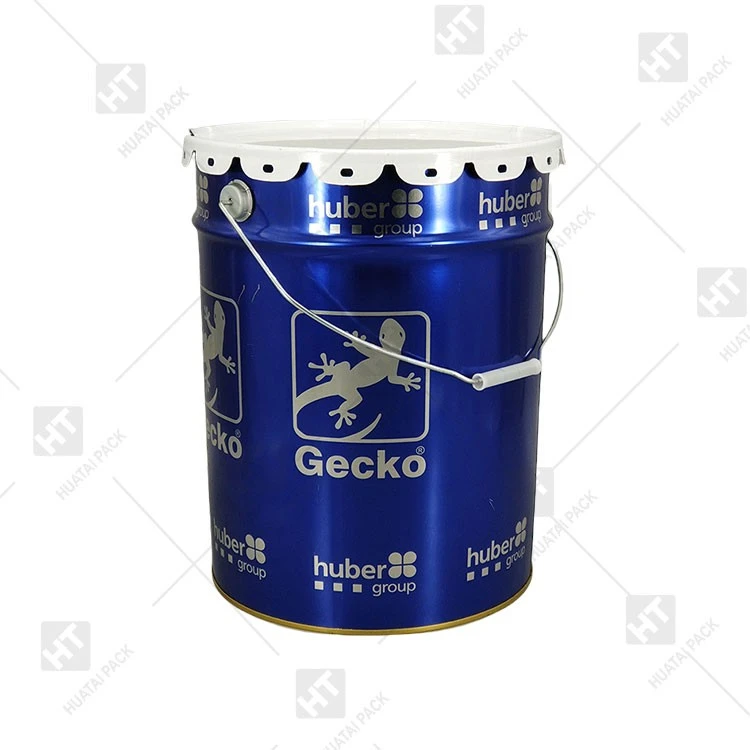
1. Observe the Lid's Closure: Check if the lid is completely tightened, whether there are deformations, dents, or rust on the edges of metal cans, and whether there are cracks or warped edges on plastic cans.
2. Smell: If a strong solvent odor is noticeable even before opening, it indicates a poor seal and volatile components are escaping.
3. Check the Liquid Level and Surface: After opening, if the liquid level drops and a hardened skin forms on the surface (especially at the edges), it indicates air infiltration and poor sealing.
Tip: Professional-grade thickened paint mixing cans use a double-layer rolled edge + rubber sealing ring design, which can extend the static sealing time by more than 3 times.
II. Simple Practical Testing Method
1. Inverted Shaking Test: Invert the can full of paint and gently shake it, observing for any leakage. If there is no leakage, the seal is good.
2. Water Immersion Bubble Test: Applicable to empty cans or pressurized containers. After sealing the can, immerse it in water and apply slight pressure. Observe whether continuous bubbles emerge. The presence of bubbles indicates a leak.
3. Negative Pressure Rebound Test: After tightening the lid, press the top of the can (metal can). If the top rebounds after releasing, it indicates that a negative pressure has been formed inside, indicating good sealing. If there is no reaction, air may have been freely entering and exiting.
III. Professional Testing Principle Reference: In industrial production, the following methods are commonly used to accurately assess sealing performance:
1. Positive Pressure Method: Pressurize the can by filling it with air and placing it in water to observe whether bubbles emerge, or use a sensor to monitor whether the pressure drops.
2. Negative Pressure Method: After evacuating, detect whether external gas has seeped in. Suitable for pharmaceutical and food-grade packaging with high sealing requirements.
3. Conductivity Test: Used to detect the integrity of the inner coating. If the coating is damaged, the electrolyte will conduct, triggering an alarm.
IV. Practical Suggestions for Improving Sealing Performance
1. Before use, place a layer of plastic wrap around the mouth of the can before tightening the lid to form a physical barrier.
2. When storing, invert the can to seal any gaps with the paint, reducing air contact.
3. Choose screw-top cans with rubber sealing rings, such as the Metasequoia thickened screw-top can, for superior sealing performance.
⚠️ If you find that the paint has formed a skin, separated, or has an abnormally high viscosity, it is not recommended to continue using it even if it has not expired, as this may affect the application results.