

How to Determine if a Paint Can's Material is Suitable
Apr 17, 2026
I. Home Renovation: Plastic Cans are the First Choice
Suitable Paints: Water-based latex paints, environmentally friendly wood paints, and other low-VOC products.
Recommended Material: HDPE (High-Density Polyethylene) or PP plastic cans.
Reasons: Lightweight and not easily broken, easy to open, suitable for frequent use and small-area application; also, plastic cans do not react with water-based paints, maintaining the paint's stability.
Note: If you need to store leftover paint for a long time, it is recommended to pour it into a thickened, airtight plastic can and tighten the lid to prevent it from drying out.
✅ Tip: 5L/18L plastic buckets are commonly used for living room and bedroom renovations; 250ml–1L refill containers can be used for corner repairs.
II. Industrial Painting or Outdoor Construction: Metal Cans or Thickened Plastic Buckets are the First Choice
Suitable Paints: Oil-based paints, anti-corrosion paints, and paints specifically for industrial equipment.
Recommended Materials:
Short-term use: Thickened HDPE plastic drums (e.g., 20L size), shock-resistant and pressure-resistant, suitable for transportation.
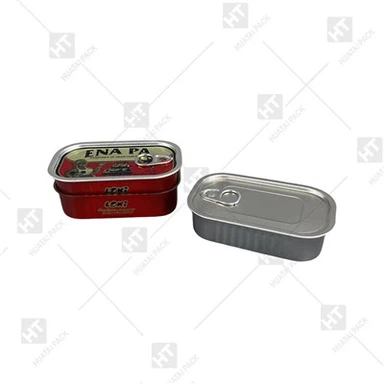
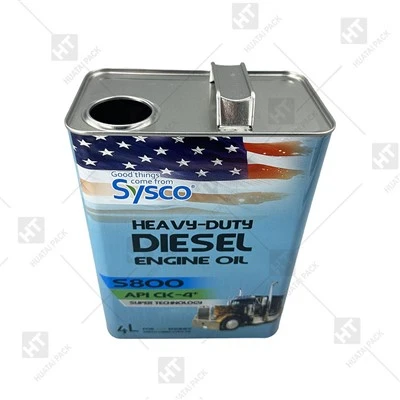
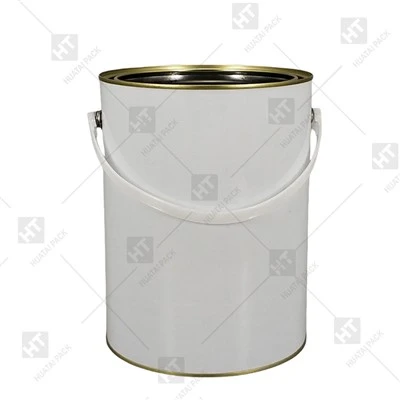
Long-term storage: Tinplate or galvanized iron metal cans, good sealing, anti-volatile, and anti-oxidation, suitable for storing high-viscosity or easily oxidized paints.
Reason: Industrial environments often involve vibration and large temperature differences; metal cans better ensure the stability of paint performance. HDPE plastic drums, on the other hand, perform better in rust resistance than metal and are suitable for humid environments.
📌 Actual test data shows that HDPE plastic drums only experience slight deformation after 72 hours in a -20℃ freezer, and maintain perfect sealing after returning to room temperature. Their rust resistance is 3 times that of metal drums.
III. Automotive Repair and DIY Paint Touch-up: Recommended Spray Paint Metal Cans
Applicable Paints: Spray paints (including solvent-based or water-based formulations).
Recommended Material: Small metal pressure cans (e.g., 230g–238g).
Reasons: Internal pressurization design, combined with a shaker to ensure even pigment distribution, allows for immediate spraying upon shaking, making operation convenient; the metal can body has strong pressure resistance and high safety.
Note: Choose a color that matches the original car paint and use in a well-ventilated environment, away from fire.
IV. Creative Modification and Temporary Repackaging: Recyclable plastic cans or modified containers are available.
Applicable Scenarios: Color mixing and testing, artistic creation, home decoration.
Recommended Material: Transparent or colored HDPE/PP small cans (under 1L).
Reasons: Lightweight and easy to clean; some brands' 20L paint cans can be transformed into trendy home decor items after being modified with macaron colors, achieving resource reuse.