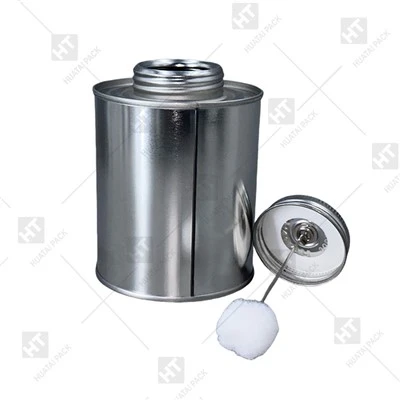


How to determine if a paint can is environmentally friendly?
Jun 08, 2026
I. Check the Environmental Friendliness of the Can Raw Materials
1. Prioritize Cans Made from Non-Recycled, Inferior Plastics/Iron Sheets: Reputable manufacturers will clearly label plastic cans as made from virgin HDPE/food-grade PP raw materials, and metal cans as made from virgin tinplate/stainless steel. Virgin materials will not contain residual harmful impurities from recycled materials. Cheap paint cans made from recycled materials may contain residual heavy metals and toxic chemicals, posing a risk of leaching during long-term storage.
2. Avoid Substandard Rust-Proof Coatings: The anti-corrosion coating on the inner wall of metal cans should be uniform and complete. Reputable environmentally friendly paint cans will use a food-grade epoxy resin coating, free of phthalates and other plasticizers. Inferior coatings may contain heavy metals such as lead and chromium, posing a risk of migration.
II. Check Product Labeling and Environmental Certification
Reputable environmentally friendly paint cans will have clear certification and labeling information:
1. Mandatory Labeling Information: The can packaging must label the manufacturer, address, material specifications, and applicable standards. Products without any labeling cannot guarantee their environmental friendliness.
2. Authoritative Environmental Certifications: Prioritize products that have passed food contact material safety certification (GB 4806 series) and RoHS hazardous substance restriction certification. These certifications strictly control the content of heavy metals, plasticizers, and other harmful substances.
3. Requirements for Packaging Contents: Paint cans containing food-grade paint/children's paint must meet the corresponding food contact grade environmental standards. Ordinary industrial-grade cans do not meet the requirements.
III. Simple and Intuitive Testing
1. Smell: Open an empty paint can. Environmentally compliant products will only have a slight smell of the material itself, without a pungent plastic smell, paint smell, or metallic rust smell. If there is a strong pungent odor, it indicates a high level of residual harmful substances and poor environmental performance.
2. Appearance and Workmanship: Environmentally compliant paint cans have neat workmanship, smooth edges without burrs, and a uniform coating without peeling. Inferior products have protruding burrs, a patchy coating that easily peels off and contaminates the contents, and are also environmentally uncompliant.
IV. Compliance Assessment of Waste Disposal The environmental friendliness of paint cans also includes their disposal after use. Products that meet environmental requirements:
1. If the cans are made of recyclable metal/plastic, it is recommended to thoroughly clean them after use and then dispose of them through recycling channels. If the cans contain paint and are not directly recyclable, it will clearly indicate that they need to be disposed of as hazardous waste by a professional organization, preventing misleading consumers into indiscriminate disposal.
2. Reputable brands will follow the requirements of the "National Hazardous Waste List" and provide proper disposal instructions to prevent illegal disposal and environmental pollution.