

How to determine if a glue can needs rust prevention treatment?
Apr 01, 2026
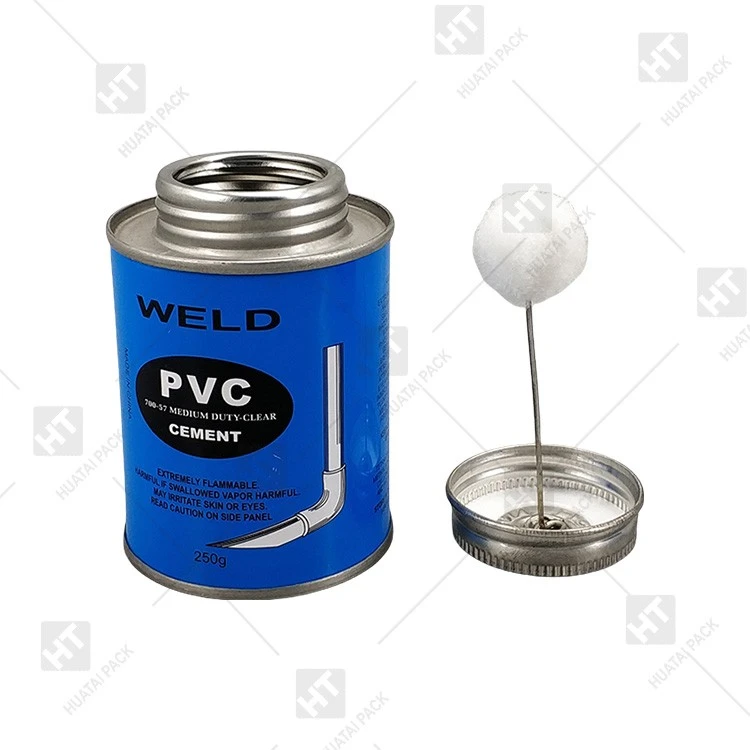
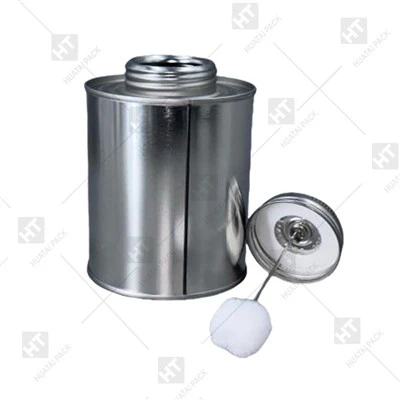
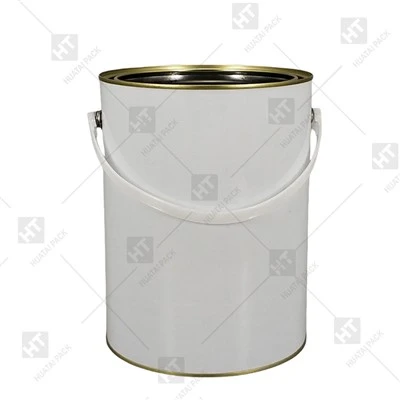
1. Check the can material: Is it a metal prone to rust?
Ordinary carbon steel, tinplate, and galvanized iron cans: These materials have weak corrosion resistance. Rust prevention treatment is necessary whenever they come into contact with moisture or residual glue.
304/316 stainless steel cans: These have inherent passivation and corrosion resistance. If the environment is dry and the glue is not highly corrosive, additional rust prevention treatment may be necessary.
✅ Judgment criteria: If the material is uncertain, a magnet test can be used-strong attraction indicates carbon steel (prone to rust), weak attraction or no attraction usually indicates stainless steel (corrosion resistant).
2. Check the usage environment: Is it humid or subject to large temperature differences?
In high humidity environments (>60%) and places with large temperature differences leading to condensation (such as workshops and basements), condensation easily forms on the inner walls of metal cans, requiring rust prevention treatment.
For outdoor storage or storage near water sources (such as near sinks or rain-exposed areas), even short-term use requires preventative measures.
Risk Warning: Humidity is currently high in Wuxi during spring. If the can is stored in an uncontrolled humidity environment, the risk of rust increases significantly.
3. Check the contents: Does the adhesive contain moisture or corrosive components?
Water-based adhesives, white glue, and chlorine-based adhesives: Residues can easily form electrolyte solutions, causing electrochemical corrosion. Rust prevention treatment is necessary.
AB glue, epoxy resin, and UV glue: While inherently less corrosive, moisture or prolonged neglect of residual adhesive can still induce localized rust.
🔍 Key areas: The bottom of the can, welds, and areas with fluctuating liquid levels are high-risk areas for corrosion. Discoloration, roughness, or small bulges indicate the onset of corrosion and require immediate attention.
4. Consider Usage Frequency and Storage Method
Metal glue cans left idle for extended periods, if not thoroughly cleaned and dried, will continue to corrode due to residual adhesive or moisture inside. Rust-proof sealing is essential.
Frequent opening and use: Repeated air entry leads to oxygen and moisture accumulation, accelerating oxidation. Nitrogen sealing or a vacuum seal is recommended to minimize exposure.
5. Check for Existing Signs: Early Rust Signs
Light yellow or brown spots on the inner wall: These are early traces of iron oxide, not yet penetrated. They can be repaired through polishing and coating.
Rough surface, peeling, or pitting: Localized corrosion has occurred. Use must be stopped and replacement assessed.
⚠️ Safety Reminder: If used with food, pharmaceutical, or precision electronic adhesives, replacement is recommended immediately upon discovery of rust to avoid contamination risks.