

How to determine if a container is suitable for storing olive oil?
Jan 21, 2026
I. Light Protection: Blocking light is key.
Light (especially ultraviolet light) accelerates olive oil oxidation.
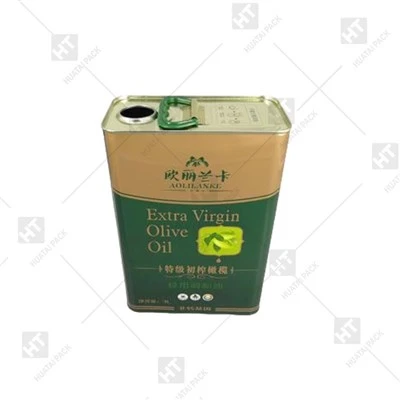
1. Preferred Material: Dark glass bottles (dark green, brown) or opaque metal containers (such as tinplate).
2. Quick Assessment:
Visual Inspection: The details of the oil or sediment inside the container are not clearly visible through the glass.
Flashlight Test: Shine a flashlight close to the outer wall of the container in a dark place; no light should penetrate the inner side.
II. Sealing: Preventing oxidation by isolating air.
Air contact leads to rancidity.
1. Key Checkpoints:
Cap/Stop: Ensure a double seal with an inner stopper (silicone or food-grade plastic) and an outer cap (threaded or snap-on).
Sealing Test: Fill with water and invert or place on your side to observe for leaks.
III. Material Safety: Non-toxic, Odorless, and Pollution-Free
1. Preferred Materials:
Glass: Chemically stable, does not react with oil, and is reusable.
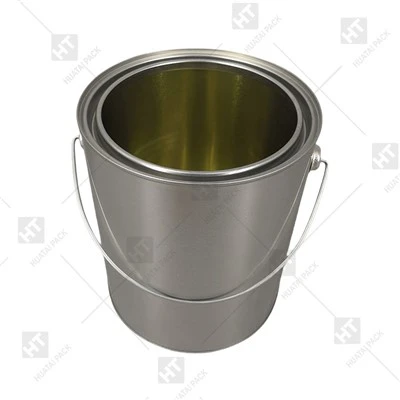
Tinplate/Stainless Steel: Completely opaque, provides good sealing, and is suitable for long-term storage.
2. Materials to Avoid:
Transparent Plastic Bottles: Highly transparent and may leach harmful substances.
Dark Plastic Bottles: May contain harmful plasticizers, affecting the flavor of the oil.
3. Odor Check: New containers should have no pungent or unusual odors.
IV. Other Practical Considerations
1. Capacity Selection: 1L-5L is recommended for household use. Use within 3 months of opening.
2. Cleaning and Drying: Ensure the container is thoroughly cleaned and dry before storage.
3. Storage Location: Store in a cool, dry, and dark place, away from heat sources (such as stoves and radiators).