

How often should olive oil jars be replaced?
Jan 23, 2026
I. Jar Lifespan: Long-term use, no regular replacement required.
1. Glass Jars: As long as they are not broken or scratched, they can be used indefinitely. Dark glass (such as dark green or brown) provides better light protection, better preserving the olive oil.
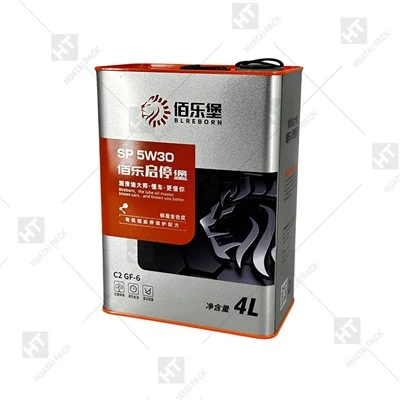
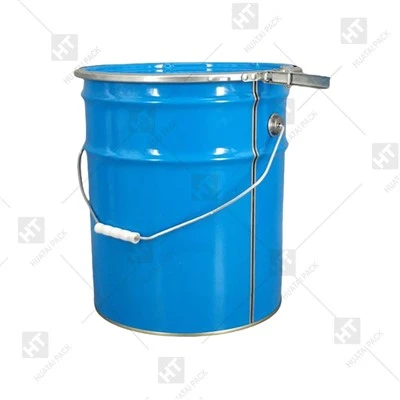
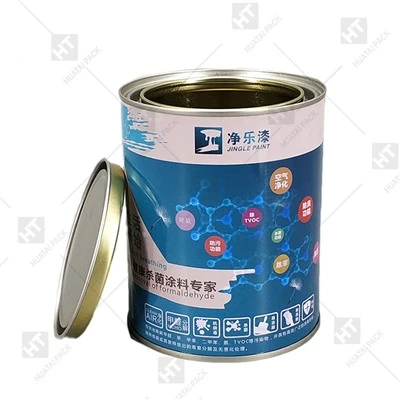
2. Metal Jars (such as tinplate): Very durable, but pay attention to the integrity of the inner coating to prevent rust or corrosion from affecting the oil.
3. Plastic Jars: Not recommended for long-term storage of olive oil, as light may pass through or substances may leach out. Use as soon as possible after opening.
II. Replacement Timing: When damaged, develops an odor, or the seal fails.
1. Physical Damage: Cracks, chips, or a damaged cap prevent a proper seal.
2. Residual Odor: An odor may remain after cleaning, potentially contaminating the olive oil.
3. Seal Failure: An aging cap or inner stopper may not effectively prevent air from entering, leading to oxidation and spoilage of the oil.
III. Daily Maintenance Recommendations
1. Regular Inspection: Check the can and its seal every few months.
2. Thorough Cleaning: When changing olive oil or storing empty cans, wash with warm water and a neutral detergent, and allow to air dry completely.
3. Proper Storage: Store empty cans in a cool, dry, odorless place.