

Does Glue Can need to be stored away from light?
Jul 14, 2025
I. Typical scenarios for storing away from light
1. Photosensitive glue
Such as UV glue (ultraviolet curing glue), light curing resin, some acrylate glue, etc., their curing mechanism relies on ultraviolet light to trigger polymerization. Light (especially ultraviolet light) can cause the glue to crosslink, thicken, or even solidify prematurely during storage. For example, if UV glue is exposed to sunlight, it may lose fluidity within a week and cannot be used normally. Such glue must be stored in dark glass jars or aluminum light-proof jars and placed in a dark environment (such as a light-shielding cabinet) to avoid direct light from any light source.
2. Glue containing easily oxidizable ingredients
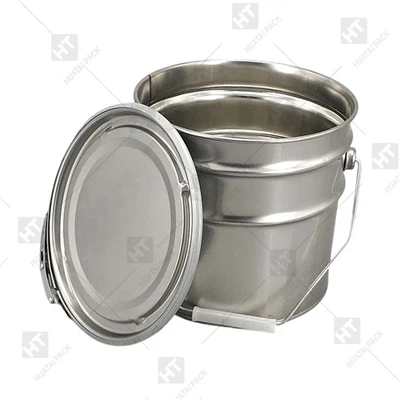
Some solvent-based glues (such as amine curing agents in neoprene and epoxy glue) or natural glues (such as rubber glue) will accelerate oxidation reactions when exposed to light (especially strong light), causing the glue to change color, taste, or performance. For example, white latex may turn yellow and reduce bonding strength if exposed to light for a long time. It is recommended to use brown plastic cans or metal cans for storage and avoid direct sunlight. You can choose a backlit area in the warehouse or cover it with a shade cloth.
3. Temperature-sensitive glue
Although light itself does not directly trigger a reaction, direct sunlight will cause the temperature of the can to rise (for example, the temperature inside the car can reach above 60°C in summer), which will indirectly accelerate the deterioration of the glue. For example, if a hot melt glue stick is stored in a transparent can and exposed to sunlight, it may soften and stick, affecting its use. Even if it is non-photosensitive glue, it needs to be light-proof and heat-insulated in a high-temperature environment. The storage temperature is recommended to be controlled at 5-25°C.
2. Situations where strict light protection is not required
1. Non-photosensitive and highly stable glue
Such as instant glue (cyanoacrylate), silicone sealant (neutral glue), water-based PVC glue, etc., its chemical properties are stable and it is not easy to react under normal light. Short-term storage (1-2 months) or small household packaging (such as 50ml transparent plastic bottles) does not need to be deliberately protected from light, just avoid long-term exposure. For example, household glass glue is usually packed in transparent plastic tubes and can be stored in a cool place at room temperature.
2. Packaging with light-shielding measures
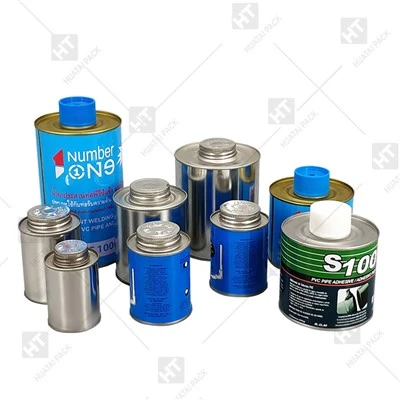
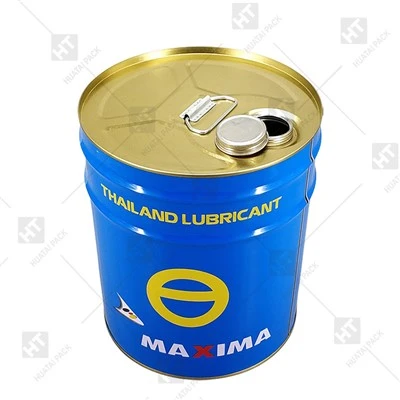
Some glues are already packaged in light-shielding packaging when they leave the factory, such as aluminum foil bags, black plastic cans, or metal cans with a light-shielding layer on the inner wall. This type of packaging can block more than 90% of ultraviolet and visible light. When storing, you only need to follow the manufacturer's recommendations (such as dry place at room temperature) without additional light-shielding treatment. For example, industrial structural glue often uses black metal cans, and users can directly store it in the usual way.
3. Scenarios of temporary storage or rapid consumption
If the glue is expected to be used up within 1 week (such as handmade DIY glue), and the storage environment has no strong light source (such as natural light indoors), short-term exposure to light will have limited impact. However, it should be noted that if the glue in the transparent can is exposed to office desk lamps (containing a small amount of ultraviolet rays) for a long time, it may still slowly deteriorate. It is recommended to take it out as needed and avoid leaving it next to the light source for a long time after opening the lid.
III. Operational recommendations for light-proof storage
1. Choose the right packaging material
Photosensitive glue should preferably be aluminum cans/brown glass bottles: metal or dark glass can effectively block ultraviolet rays, for example, UV glue is often packaged in brown glass bottles + aluminum caps.
Ordinary glue can be packaged in opaque plastic cans: such as HDPE (high-density polyethylene) white cans, which are both light-shielding and chemical-resistant and suitable for water-based glue storage.
2. Environmental control
Warehouse or storage room: Use blinds, blackout curtains or apply anti-ultraviolet paint to avoid direct sunlight on the shelves.
Laboratory or workshop: Store glue in a locker with a door, away from windows or light sources of UV curing equipment.
3. Labels and warnings
Mark the glue can with warnings such as "Store in dark" and "Do not expose to the sun" and indicate the shelf life. For example, industrial glue cans can be affixed with yellow warning labels to remind operators to follow storage specifications.
If you want high-quality Glue Can, please feel free to contact us.