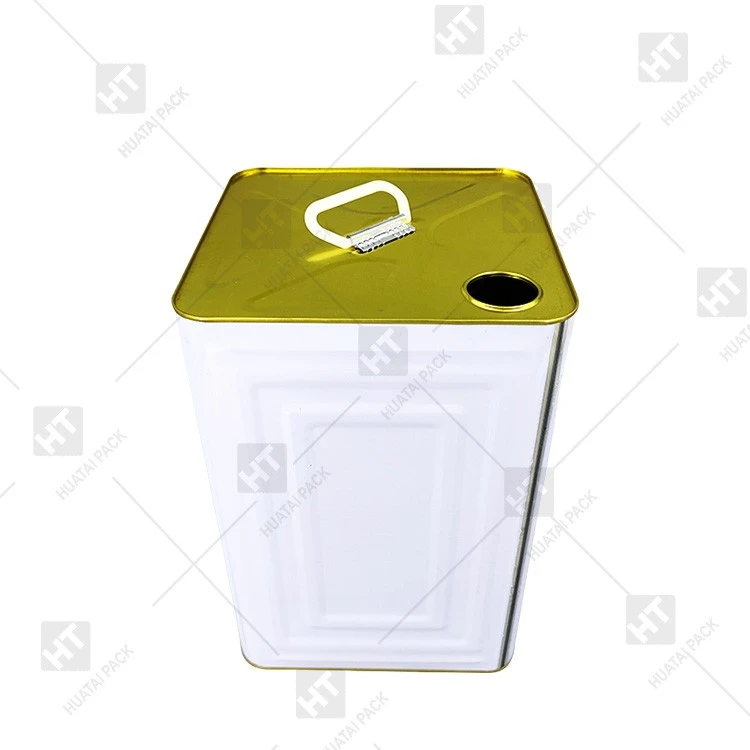


Can F-Style cans be reused after being scrapped?
Nov 05, 2025
I. Circumstances Where Reuse is Prohibited
1. Mandatory Scrapping Standards
If the can exhibit irreparable defects such as design expiration (usually 10-15 years), severe corrosion (wall thickness reduction exceeding 10%), weld cracks, or material degradation (such as hydrogen embrittlement), it must be scrapped and subjected to destructive treatment, and reuse is prohibited.
Typical case: A company in Hubei was forced to retire its gas tank due to cracks in the base metal. The can was then cut and recycled as scrap steel.
2. Safety Risks
Extended cans, if not professionally inspected, may cause explosions or leaks due to insufficient strength.
II. Conditions for Permitting Reuse
1. Safety Assessment and Modification
If the inspection agency confirms through a joint use evaluation (safety assessment) that the can has no critical defects and that the modified can meet the requirements of the new use (e.g., atmospheric pressure vessels), it may be reused with restrictions.
Renewal of special equipment registration is required, and the inspection cycle is shortened to 1-3 years. 2. Non-pressure Uses
Scrapped tanks can be converted into non-pressure containers (such as water storage tanks or waste collection bins), but the pressure markings must be removed and the pressure relief holes cut.
III. Resource Recycling Recommendations
1. Material Recycling
Carbon steel tanks can be disassembled and recycled as scrap steel. Aluminum tanks can be melted and recycled (with a recycling rate exceeding 90%).
Tanks containing hazardous waste residues must be disposed of as HW49, and the cleaning fluid must be neutralized.
2. Creative Renovations
Small tanks can be cut and made into flower pots, tool racks, etc., but ensure that no hazardous materials remain.
IV. Risk Warning
Legal Liability: Illegal use of scrapped tanks may result in administrative penalties (e.g., Article 84 of the Special Equipment Safety Law).
Environmental Requirements: Renovations must comply with the Law on the Prevention and Control of Environmental Pollution by Solid Waste to avoid secondary pollution.