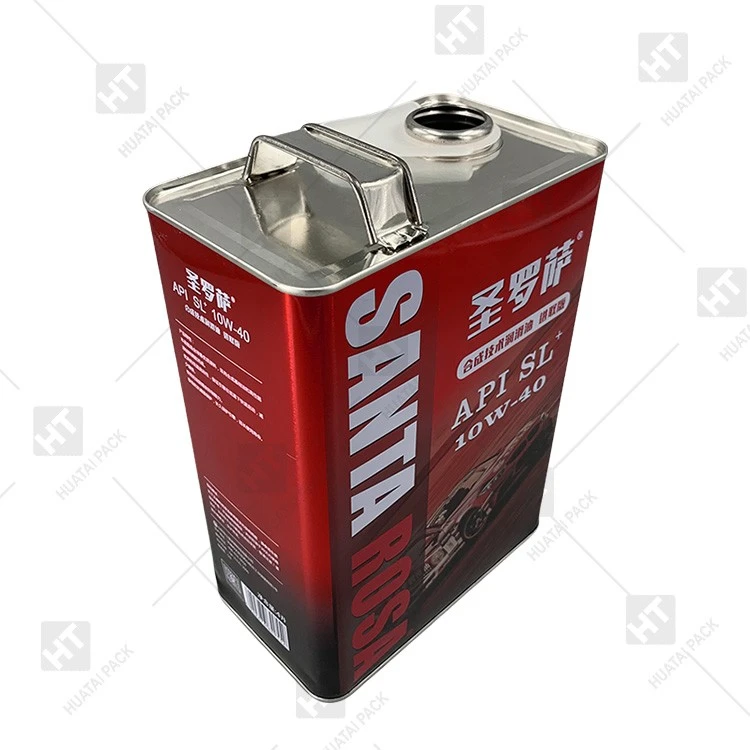


What to do with F-type tanks after they are scrapped?
Nov 03, 2025
I. Confirmation and Filing of Mandatory Scrapping
1. Technical Appraisal
A qualified inspection agency (such as the Special Equipment Inspection Center) is commissioned to issue a scrapping technical appraisal report confirming that the tank has design expiration, severe corrosion, or irreparable defects.
Typical Case: A Hubei company was forced to close due to crack propagation in the base material of its gas tanks.
2. Administrative Deregistration
Apply to the market regulatory authorities for the "Special Equipment Deregistration Procedures." Unregistered tanks are prohibited from circulation.
II. Deactivation
Physical Destruction
Cutting/Drilling: Use plasma cutting, laser cutting, or drilling to permanently deactivate the tank (for example, a Shenzhen company uses a cross-cutting method).
Crushing and Disassembly: Liquefied gas cylinders, etc., must be crushed or disassembled. Undamaged tanks are prohibited from entering the secondhand market.
Chemical Cleaning: Tanks containing corrosive media must have their residues neutralized, and the gas concentration must be below 25% of the lower explosion limit. III. Resource Recovery and Environmentally Friendly Disposal
Material Recycling
Carbon steel tanks are disassembled and recycled as scrap steel. Components that pass testing may be reused.
Tanks containing paint or insulation should be classified and disposed of as hazardous waste, code HW49.
Gas Recovery
CNG tanks require specialized equipment to recover residual gas and prevent methane leaks.
IV. Risk Warning
Legal Liability: Unauthorized disposal of discarded tanks may result in accidents (such as LPG tank explosions).
Compliant Channels: Contact gas distributors or professional recycling agencies for recycling. (Cylinders with unclear markings can be exchanged at community facilities or gas stations.)