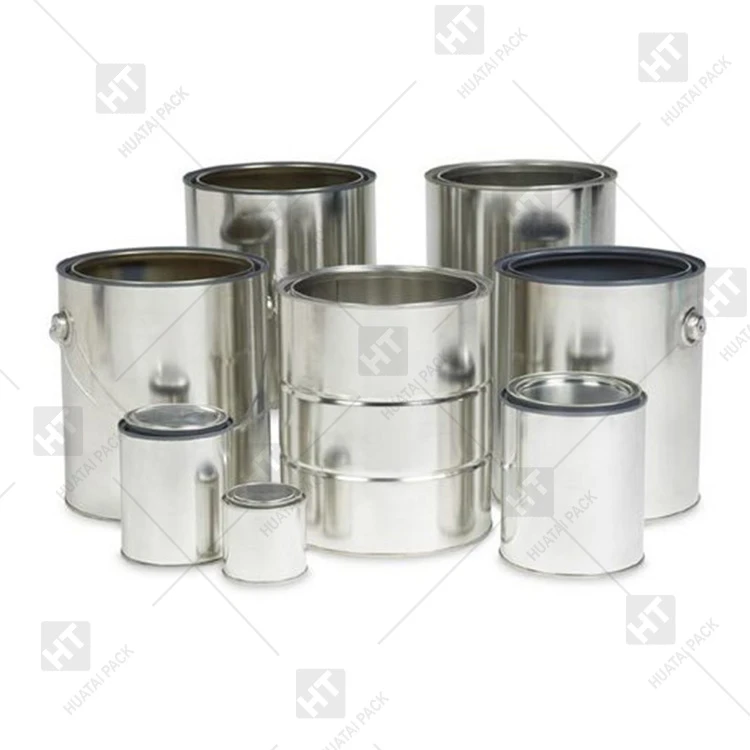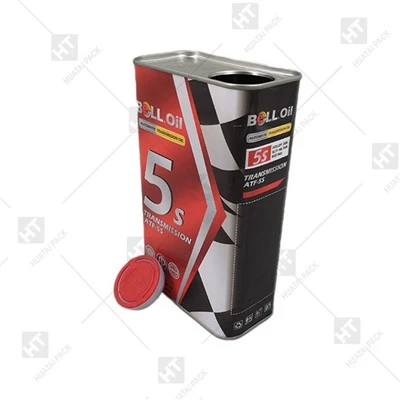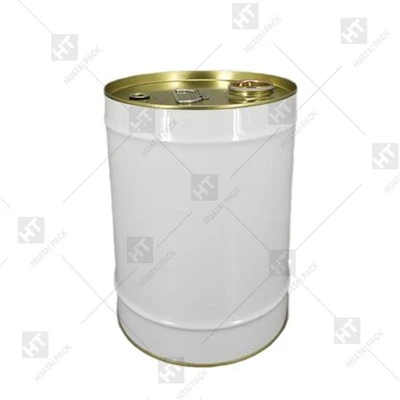


What should be paid attention to when storing paint cans
Jul 25, 2025
I. Environmental conditions
1. Temperature control
Avoid high temperature: Paint cans should be stored in a cool place, away from direct sunlight and high temperature environment. High temperature may cause the paint to volatilize faster, and even cause fire or explosion. Generally speaking, the temperature of the storage environment should be controlled between 5℃ and 30℃.
Avoid low temperature: Low temperature may cause the paint to freeze, affecting its performance. If the paint is frozen, it may stratify or deteriorate after thawing.
2. Humidity control
Dry environment: The environment where paint cans are stored should be kept dry and avoid moisture. High humidity may cause the paint cans to rust (if they are metal cans), or cause the paint to absorb moisture, affecting its quality and performance.
3. Good ventilation
Air circulation: The place where paint cans are stored should be well ventilated to avoid the accumulation of harmful gases. The gas volatilized by paint may be harmful to human health, and good ventilation can reduce this risk.
II. Safety measures
1. Keep away from fire sources
Fire prevention measures: Paint cans should be kept away from fire sources, heat sources and electrical equipment. Paint is a flammable substance, and once it comes into contact with fire or high temperature, it may cause fire or explosion.
2. Avoid collisions
Handle with care: When moving and storing paint cans, they should be handled with care to avoid violent collisions or falls. Collisions may cause the paint cans to deform or crack, which in turn causes paint leakage.
3. Prevent leakage
Seal inspection: Regularly check whether the sealing cover of the paint can is intact to ensure good sealing performance. If the sealing cover is found to be damaged or paint is leaking, measures should be taken immediately to repair or replace it.
Leakage treatment: If the paint leaks, the leaked paint should be cleaned up immediately to prevent it from spreading. For leaked paint, sand, sawdust and other materials can be used for adsorption, and then handled in accordance with the requirements of the local environmental protection department.
III. Labels and logos
1. Clear logos
Integrity of labels: Make sure the labels on the paint cans are complete and clearly identifiable. The labels should indicate information such as the type, color, production date, shelf life, instructions for use and safety precautions of the paint.
Classification storage: Classify and store the paint according to its type and purpose. For example, store paints of different colors separately, and store flammable paints separately from non-flammable paints for easy management and use.
IV. Storage period
1. Pay attention to the shelf life
Regular inspection: Check the production date and shelf life of the paint can regularly to ensure that the paint is used within the validity period. Expired paint may deteriorate, delaminate or degrade in performance, affecting the use effect.
First in, first out: Follow the principle of "first in, first out" and give priority to paint with an earlier production date to avoid paint deterioration due to long storage time.
V. Waste disposal
1. Environmental protection treatment
Hazardous waste: Used paint cans are hazardous waste and cannot be discarded or incinerated at will. They should be handled in accordance with the requirements of the local environmental protection department and usually need to be handed over to professional hazardous waste treatment agencies for recycling or destruction.
2. Recycling
Recyclable materials: If the paint can is made of metal (such as tinplate or aluminum alloy), it can be considered for recycling. Before recycling, make sure that the paint in the can has been completely used up or cleaned up.
VI. Other precautions
1. Children and pets
Avoid contact: The place where the paint cans are stored should be away from children and pets to prevent accidental ingestion or accidental contact.
2. Emergency Plan
Develop an emergency plan: Places where large quantities of paint cans are stored should develop an emergency plan for fire or leakage, be equipped with emergency equipment such as fire extinguishers and adsorbent materials, and conduct regular safety training and drills.