

What are the specific requirements for paint cans for oil-based paints?
May 25, 2026
I. Material Requirements
1. Core Corrosion Resistance Requirement: Materials resistant to oil-based solvents must be selected. Specific requirements:
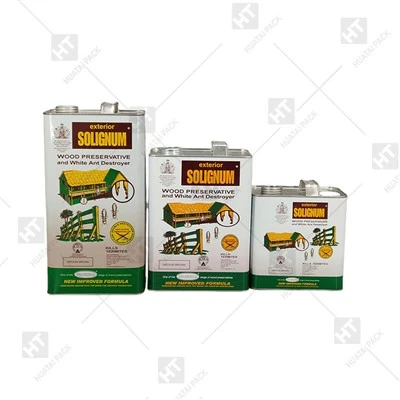
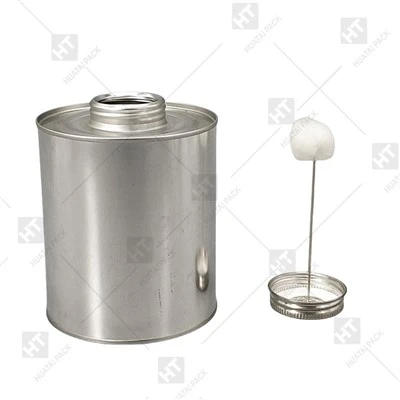
Tinplate, galvanized steel sheet, or 304/316L stainless steel are preferred. These metals will not be corroded by organic solvents in oil-based paints and can prevent metal ion contamination of the paint. Stainless steel has the best chemical stability and is suitable for long-term storage.
If plastic materials are chosen, they must be engineering-grade PE/PP plastics labeled as resistant to oil-based solvents. Ordinary plastics will be corroded and swollen by oil-based paint solvents, leading to can damage and paint contamination.
Ordinary sheet metal without an anti-rust coating is prohibited: It is prone to rusting, and rust residue will contaminate the oil-based paint, causing paint deterioration.
2. Material Compatibility Requirements for Different Usage Scenarios:
Short-term use (same-day construction): Tinplate is sufficient for rust prevention and cost-effectiveness.
Long-term storage (use in multiple applications over one month): Stainless steel must be used to prevent rust and solvent evaporation.
High-pressure spraying/vacuum operations: Thickened stainless steel tanks are required; ordinary iron drums lack sufficient pressure resistance to meet repeated pressurization requirements.
II. Sealing Performance Requirements
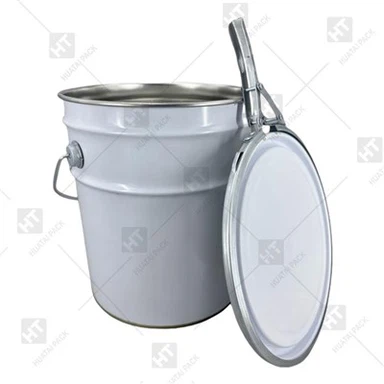
1. Reliable sealing structure is essential: Threaded caps or snap-on caps with rubber sealing rings are preferred to ensure a tight seal, preventing solvent evaporation from oil-based paints and avoiding paint skinning and premature curing.
2. Secondary sealing requirements for repackaging: If repackaging leftover oil-based paint after opening, the sealing caps require additional sealing treatment to prevent solvent evaporation.
III. Structural Requirements for Transportation and Storage
1. Long-distance transportation requirements: Sturdy, sealed, and rust-proof metal tanks must be used. The tank strength must withstand transportation bumps and collisions, and it should not easily deform or leak.
2. Storage Structure Requirements: The bottom of the can must have ventilation. For long-term storage, it is recommended to elevate it by 10 cm to prevent moisture and corrosion at the bottom.
3. Special Requirements for High-Pressure Operations: Paint cans used for high-pressure spraying must be equipped with a pressure gauge and pressure regulating valve. The can thickness must meet pressure requirements, and the interface sealing performance must meet standards to ensure stable atomization.