

What are the special requirements for paint cans for oil-based paints?
May 29, 2026
1. Special Material Requirements
This is the most crucial requirement distinguishing oil-based paints from water-based paints:
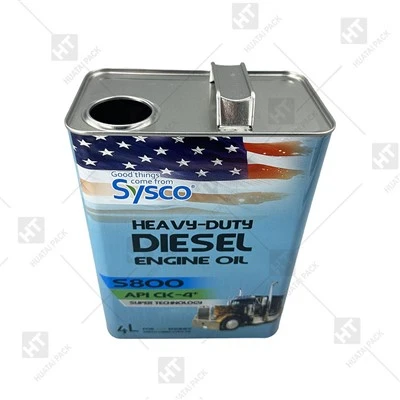
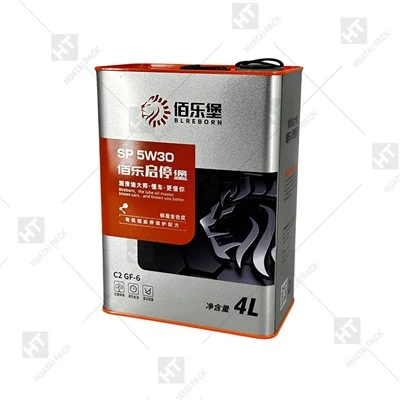
Must be resistant to oil solvent corrosion: Only tinplate, galvanized steel sheet, or 304/316L stainless steel can be used. If plastic is chosen, it must be engineering-grade PE/PP plastic labeled as oil-resistant. Ordinary plastics will be corroded and swollen by the organic solvents in oil-based paints, leading to can damage, paint contamination, and rendering the paint unusable.
Must have rust protection: The surface of the metal can must have a complete rust-proof coating or galvanized protective layer. Ordinary unprotected sheet metal is prohibited, as it is prone to rusting, and rust residue will mix into the oil-based paint, causing it to deteriorate and become unusable.
Additional requirements for special scenarios: For long-term storage, stainless steel is preferred to avoid rust and metal ion leaching contamination. For high-pressure spraying scenarios, thickened stainless steel cans must be used to meet the strength requirements of repeated pressurization and vacuuming; ordinary thin iron cans cannot withstand this.
2. Special Requirements for Sealing Performance Oil-based paints have much higher solvent volatility than water-based paints, requiring stricter sealing:
A complete sealing structure is essential. The can lid must have a built-in rubber sealing ring to ensure complete airtightness, preventing rapid solvent evaporation and premature skinning, hardening, and spoilage.
Can interfaces and welds must be leak-free. Solvent evaporation and leakage must be prevented during transportation and storage; otherwise, not only will the paint deteriorate, but it will also pose flammable and explosive safety risks.
3. Special Requirements for Storage, Transportation, and Structure Because oil-based paints are flammable and hazardous materials, the transport cans must possess sufficient strength: robust metal cans must be used, capable of withstanding transportation bumps and impacts, and resistant to deformation and leakage.
Long-term storage requires that the bottom of the can be elevated for ventilation to prevent moisture and corrosion. Different types of oil-based paints must be stored separately, and the cans must have designated areas for labeling information.
High-pressure spray cans must be additionally equipped with pressure gauges and pressure regulating valves. The pressure-bearing and sealing performance of the interfaces must meet standards to ensure stable atomization of the oil-based paint.