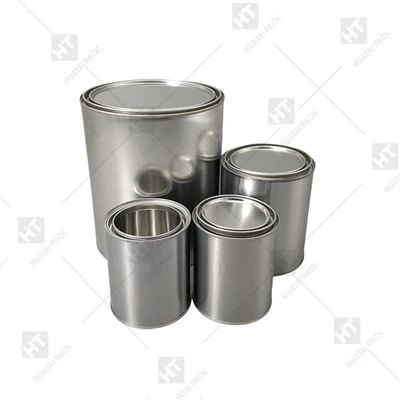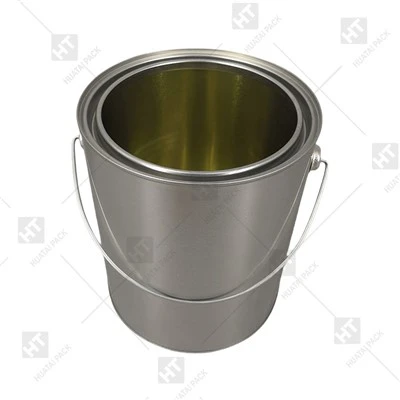


Precautions for Disposing of Waste Paint Cans
May 20, 2026
Pre-treatment Precautions
1. Residue Treatment: If there is residual paint in the can, do not open and discard it directly. The residual paint must be air-dried in a well-ventilated location away from heat sources. Avoid inhaling harmful volatile gases during handling; wear a mask for protection. Do not dry residual paint near residential areas or water sources to prevent soil and water pollution.
2. Sealing Protection: Before handling, cans containing residual paint must be sealed to prevent leakage during transportation or storage, which could cause chemical pollution. The removed residual paint must also be placed in a separate sealed container and not mixed with ordinary garbage.
3. Cleaning Procedures: Wastewater from cleaning empty cans must be collected and treated separately and cannot be poured directly into sewers to avoid contaminating water sources with harmful substances. It is recommended to wear gloves during cleaning to avoid direct skin contact with residual paint.
Sorting and Disposal Precautions
1. Clear Classification: Oil-based paint cans (containing residue) are hazardous waste and must be disposed of in hazardous waste bins or designated recycling points. Mixing them with household waste or recyclables is strictly prohibited. Water-based paint cans, after being thoroughly cleaned and confirmed to be free of residue and odor, can be disposed of as recyclables.
2. Qualification Requirements: Large quantities of waste paint cans generated by businesses must be disposed of by a licensed hazardous waste management agency. Do not hand them over to unlicensed waste collection stations or sell them yourself, as this may violate relevant laws and regulations and, in serious cases, constitute the crime of environmental pollution.
3. Disposal Requirements: When disposing of waste cans with residue, they must be sealed before disposal to prevent the release of harmful gases or leakage of liquids.
DIY Reuse Precautions
1. Only thoroughly cleaned, dried, residue-free, and odorless empty cans can be modified. After modification, they must not be used to store food or drinking water, as chemical residues may still remain, posing a risk of poisoning.
2. If using modified paint cans for planting, ensure the soil and plant materials are compatible beforehand. Check the can's structural strength before modification to prevent breakage or damage during use.
Safety Precautions
1. It is strictly forbidden for individuals to break or burn discarded paint cans. Paint residue contains volatile, flammable, and explosive substances that may cause fires, explosions, and the spread of harmful substances, endangering human health.
2. Individuals should not dispose of large quantities of paint cans containing residue themselves. If the quantity is large, it is recommended to contact a local professional hazardous waste disposal company for on-site collection to ensure safe disposal.