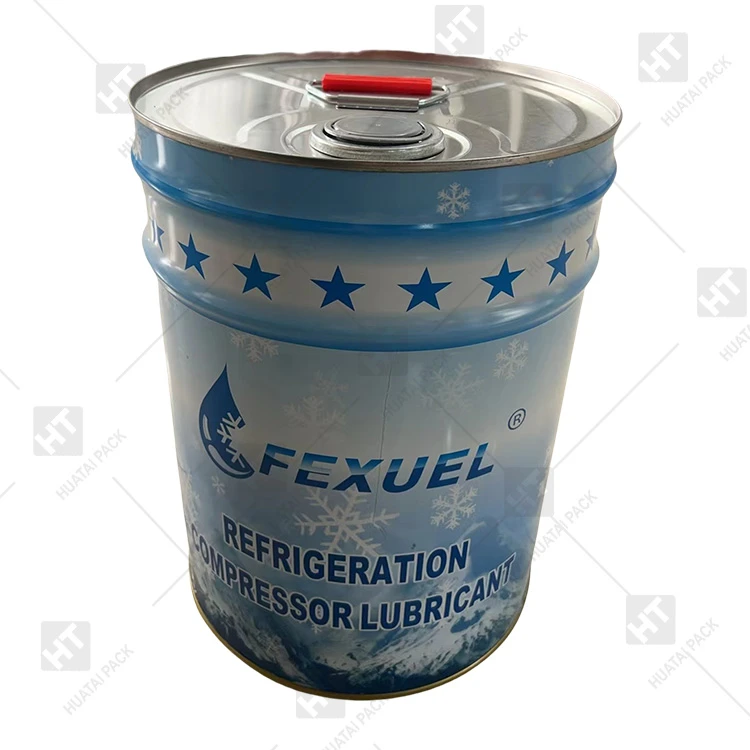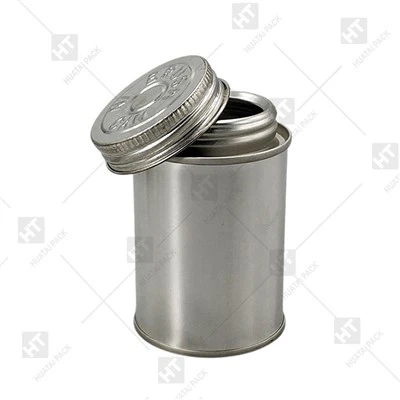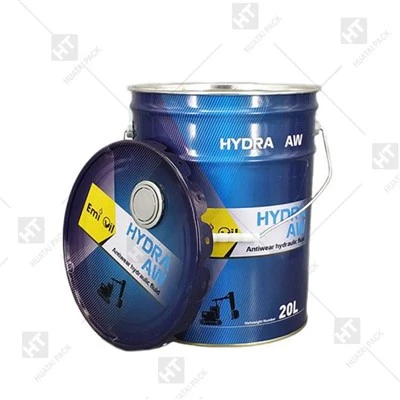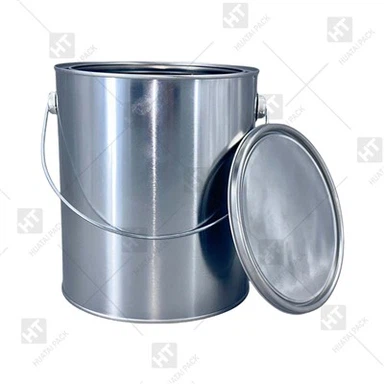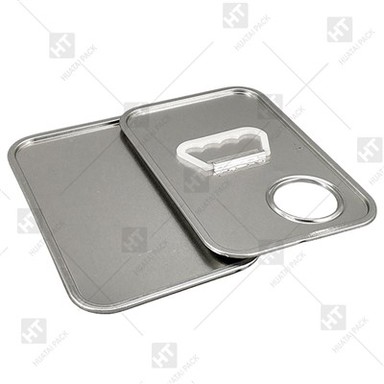


Is the surface treatment of Metal Can For Oil rust-proof?
May 16, 2025
I. Mainstream rust-proof process and effect
Galvanizing (hot-dip/electroplating)
The hot-dip galvanizing layer is 30-100μm thick. The zinc layer is physically isolated and the substrate is protected by the "sacrificial anode". It is resistant to salt spray for 500-1000 hours and is suitable for outdoor humid environments. The service life is 5-10 years.
The electroplated zinc layer is thin (5-20μm) and resistant to salt spray for 200-500 hours. It is low in cost but easy to bump and break, and is suitable for indoor dry scenes.
Painting (epoxy/acrylic)
Relies on the coating to physically isolate the corrosive medium and is resistant to salt spray for 300-800 hours. Epoxy paint has strong adhesion and is suitable for heavy corrosion protection; acrylic paint has good weather resistance and needs to be repainted regularly to prevent cracking due to exposure to the sun.
Nickel plating / chrome plating
Nickel layer base + chromium layer enhances hardness, salt spray resistance for more than 1000 hours, wear and acid resistance, used in food grade or high corrosion scenarios (such as chemical oil drums), but the cost is relatively high.
2. Key influencing factors
Pretreatment: If the oil and rust on the metal surface are not completely removed, the adhesion of the coating will decrease and rust will be accelerated.
Environmental erosion: High humidity, salt spray or acid mist environment requires a combination of processes (such as galvanizing + painting), and a single treatment is prone to failure.
Mechanical damage: The coating is damaged due to handling collision, which may form a corrosion "breakthrough", and a tough coating (such as epoxy zinc yellow primer) needs to be selected.
If you want to know whether the surface treatment of Metal Can For Oil is rust-proof, you can contact the professional technicians of Huatai Packaging Products, and we will do our best to help you!