

How to safely dispose of used paint cans?
Apr 08, 2026
1. Determine the can type and residual state
Spray paint cans (aerosol cans): Even after being emptied, residual pressure and harmful solvents may remain inside, classifying them as pressurized hazardous containers.
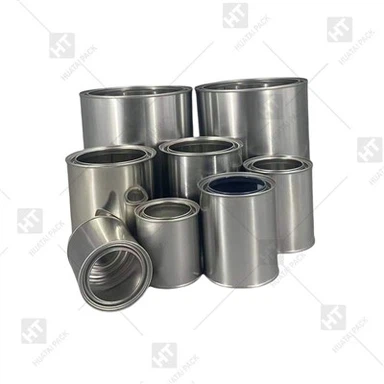
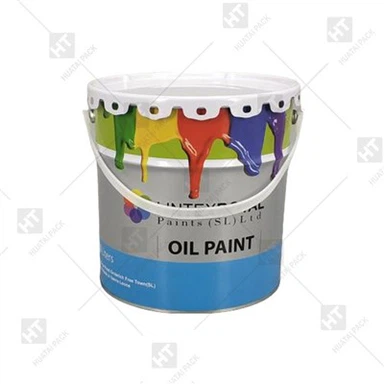
Metal/plastic paint buckets: Commonly found in wall paint and industrial coatings. If there is residual paint film or liquid on the inner wall, they must be managed as hazardous waste.
Completely dried empty cans: Cans can only be recycled when the paint is completely cured, there is no liquid residue, and there is no pressure.
2. Four-step safe disposal method
① Complete emptying and depressurization (for spray paint cans)
Wear gloves and a mask. In a well-ventilated area, invert the can and gently press the nozzle until no more gas is emitted.
Note: Do not operate for too long to avoid frostbite from the cooling effect of the metal can.
② Cleaning and Drying (Applicable to Reusable Metal Cans)
Use a specialized cleaning agent to remove residue from the inner walls. Cleaning wastewater should be collected and disposed of by a professional unit; it must not be discharged directly into the sewer.
After cleaning, allow it to air dry naturally or in a well-ventilated area to ensure there is no odor or liquid residue.
③ Sorting and Disposal
Cans still containing residue or feeling pressurized: These are hazardous waste and should be placed in red hazardous waste collection containers. Contact the local environmental protection department or hazardous waste treatment center for unified collection and transportation.
Thoroughly cleaned metal cans: These can be treated as recyclables, but it is necessary to confirm whether the local recycling station accepts containers containing pressure or that have previously contained chemicals.
④ Compliant Transfer and Disposal
For bulk processing (such as in repair shops or construction projects), the "Hazardous Waste Transfer Manifest System" must be followed. The cans must be disposed of by a unit holding a "Hazardous Waste Management License." Unauthorized inter-provincial transfer is prohibited.
"Original Factory Recycling" Model Encouraged: Some paint manufacturers support the recycling of cleaned and reused packaging containers. In such cases, they are not managed as hazardous waste.
3. Special Reminder: These actions are not advisable:
❌ Throwing untreated paint cans into regular trash cans;
❌ Heating the cans with an open flame to accelerate drying (risk of explosion);
❌ Cutting or flattening pressurized cans yourself (may cause instantaneous energy release and injury).