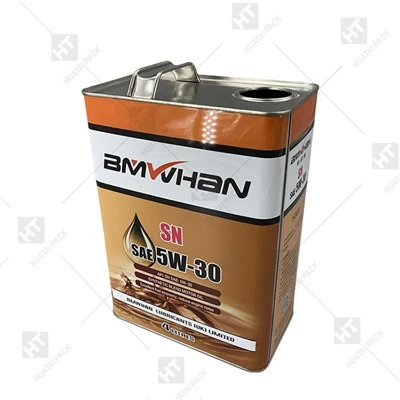


How to remove residual oil stains in Metal Drun For Engine Oil
Jun 16, 2025
I. Physical pretreatment
Pouring and scraping
First pour out the residual oil in the barrel, and use a rubber scraper or plastic shovel to remove the thick oil stains on the barrel wall and bottom (avoid scratching the inner wall with metal tools, causing oil stains to penetrate into the dents).
Steam flushing
Use an industrial steam cleaner (temperature ≥80℃) to spray the barrel, use high-temperature steam to soften the oil stains, and flush the residual particles at the same time. This step can remove 70%-80% of the oil stains, especially suitable for stubborn oil stains.
II. Chemical cleaning method
Alkaline cleaning agent
Prepare 5%-10% sodium hydroxide (caustic soda) or sodium carbonate solution, pour it into the barrel, seal it and shake it for 10-15 minutes, and use the saponification reaction of alkali and grease to decompose the oil stains. Suitable for cleaning non-food grade barrels, please note:
Wear protective gloves to avoid skin contact with strong alkali;
After cleaning, rinse thoroughly with clean water to neutral to prevent residual alkali from corroding the barrel body.
Solvent cleaning
Inject organic solvents such as diesel and kerosene (about 1/3 of the barrel volume), seal it and shake it vigorously for 5-8 minutes to allow the solvent to dissolve the oil stains. After pouring out the solvent, use sawdust or sand to absorb the residue on the inner wall, and then rinse it with a high-pressure water gun. This method is suitable for heavy oil pollution, but attention should be paid to ventilation and fire prevention.
III. Biodegradation and environmental protection treatment
If it needs to be recycled in the food or pharmaceutical field, it can be used:
Biological enzyme cleaning agent
Spray a biodegradation agent containing lipase, let it stand for 2-3 hours, the enzyme can decompose the oil into harmless fatty acids and glycerol, and then rinse with warm water.
Emulsifier cleaning
Use a non-ionic emulsifier (such as alkyl glycoside) solution to disperse the oil stains into tiny particles through emulsification, and rinse it after mechanical brushing without the risk of chemical residues.
IV. Drying and inspection
After cleaning, turn it upside down to drain, or blow the inner wall dry with compressed air to avoid rust caused by residual moisture. Finally, check whether there are traces of oil stains, rust spots or damage in the barrel to ensure that the cleanliness meets the standards.
Note:
Waste oil and cleaning waste liquid must be collected and sorted, and handed over to qualified hazardous waste treatment agencies for recycling. It is strictly forbidden to discharge them into the sewer;
Reusable metal barrels must pass air tightness tests (such as water filling leak test) to ensure that the sealing is not affected after cleaning.
The combined process of "physical scraping + chemical decomposition + environmentally friendly flushing" can effectively remove residual oil stains in metal oil barrels, taking into account both cleaning effect and safety.
If you want to know how to remove residual oil stains in Metal Drun For Engine Oil, you can contact the professional technicians of Huatai Packaging Products, and we will do our best to help you!