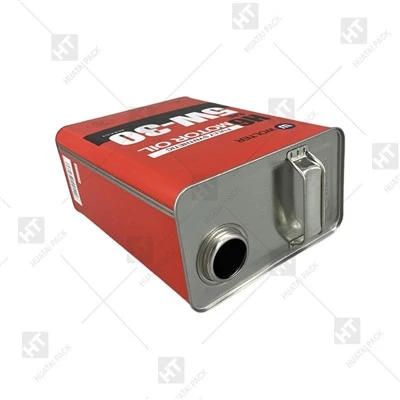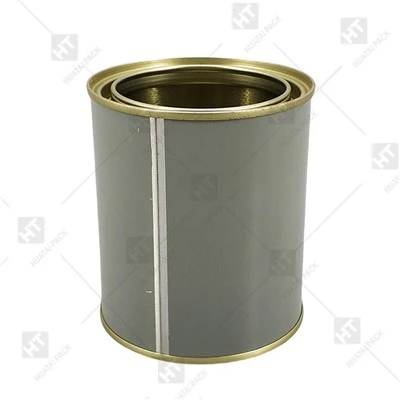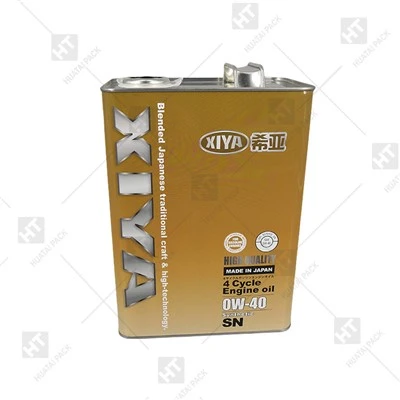


How does the pressure bearing capacity of Metal Drum For Engine Oil affect transportation safety
Jun 13, 2025
1. Pressure tolerance and structural stability
The pressure bearing capacity of metal drums depends on the material thickness, manufacturing process (such as welding strength) and design standards (such as whether it complies with UN certification). High-quality steel drums can withstand an internal pressure of 0.2-0.3 MPa, which is enough to cope with the volume expansion of engine oil caused by temperature changes during transportation (such as the increase in engine oil vapor pressure under high temperatures in summer) to avoid bulging or bursting of the barrel. If the pressure is insufficient, it may cause leakage due to bumps, stacking pressure or temperature fluctuations, pollute the transportation environment and even cause traffic accidents.
2. Impact resistance and dynamic load adaptation
During transportation, metal drums need to withstand dynamic loads such as vibration and collision. Drums with high pressure bearing capacity (such as thickened steel plates or reinforced rib design) can effectively absorb impact force and prevent cracking of seams or valves from falling off. For example, in transportation routes with poor road conditions, drums with insufficient pressure bearing may cause welds to tear due to violent shaking, while high-strength metal drums can maintain structural integrity and reduce the risk of sudden leakage.
3. Stacking safety and center of gravity control
The pressure bearing capacity directly affects the stacking height of metal barrels. Metal barrels that meet industrial standards can usually be stably stacked in 2-4 layers (depending on the load-bearing capacity of a single barrel). If the pressure bearing capacity is insufficient, the bottom barrel may be deformed due to overload, causing the entire stack to fall. Especially in logistics containers or truck transportation, unstable stacking may cause cargo collapse, squeeze other containers, and even cause vehicle imbalance, endangering transportation safety.
4. Compliance and regulatory adaptation
International transportation regulations (such as the International Maritime Dangerous Goods Code) have clear requirements for packaging pressure bearing capacity. For example, metal barrels for transporting motor oil must pass hydraulic tests and drop tests to prove that they do not leak under specific pressure. If a container that does not meet the pressure bearing standard is used, it may be detained and fined for violating regulations, while increasing the risk of cargo damage.
5. Safety in emergency scenarios
In extreme cases (such as fire and collision accidents), high-pressure metal barrels can delay the rupture of containers and buy more time for emergency disposal. For example, steel has better high temperature resistance (melting point of about 1500℃) than plastic, and can maintain its shape in a short-term high temperature environment, reducing the possibility of secondary disasters (such as fuel mixed combustion) caused by rapid oil leakage.
If you have any questions or need more details about Metal Drum For Engine Oil, please feel free to contact us, we will serve you wholeheartedly!