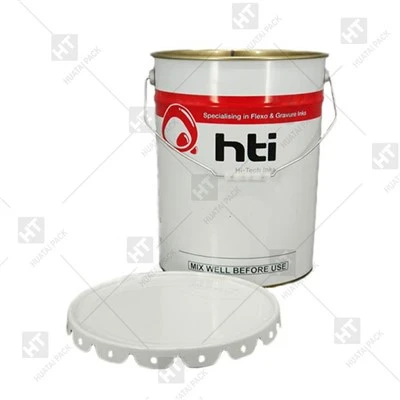


How to judge whether the olive oil can has been cleaned?
Nov 01, 2024
1. Visual inspection: This is the most intuitive method. Carefully observe various parts of the inside of the oil tank, including the tank wall, tank bottom, tank mouth, etc., to check whether there are obvious oil stains, stains, impurities or residual detergent. If the inner surface of the tank is clean and smooth, without any visible dirt, then it can be visually judged to be clean.
2. Touch inspection: Touch the inside of the oil tank with a clean hand to feel whether there is greasy or granular material on the surface. If it feels smooth when touched, without greasy or rough feeling, and no foreign matter is found, then it means that the oil tank is clean to a certain extent. However, this method may not be very accurate, because some tiny stains or detergent residues may not be obviously detected by touch.
3. Olfactory inspection: Smell the inside of the oil tank for peculiar smell. If there is no residual olive oil smell or other abnormal smell in the oil tank after cleaning, only the fresh smell after cleaning, then it usually means that the oil tank has been cleaned. But it should be noted that some detergents themselves may have some odor, so comprehensive consideration should be given when judging.
4. Rinse water inspection: After the cleaning is completed, the water used to rinse the oil tank for the last time should be clear and transparent, without any oil or impurities floating on the water surface. The rinsed water can be collected in a transparent container to observe the clarity of the water. If the water is clear and there is no color change or turbidity, it means that the dirt and detergent in the oil tank have been fully rinsed away.
5. Wipe with a white towel: Prepare a clean white towel and wipe various parts inside the oil tank. If there is no stain, color or odor on the towel, it can be proved that the oil tank has been cleaned. This method is relatively sensitive and can detect even tiny dirt residues.
6. Professional testing: If there are very strict requirements for the cleanliness of the olive oil can, such as for use in the food industry or in places with extremely high hygiene standards, you can consider seeking professional testing agencies for testing. They can use professional equipment and methods to analyze microorganisms, chemical residues, etc. in the oil tank to determine whether the oil tank has truly reached the cleaning standard. For example, test whether indicators such as E. coli and aflatoxin meet relevant standards.