

How to fix an unsuitable paint can material
Jun 03, 2026
1. Minor corrosion/cracks in the can body, without paint contamination, can be repaired. For cans with minor damage, different repair methods apply depending on the material. After repair, the can can be used again for a short period:
Metal paint cans (rust perforation/weld leakage):
Small gaps/holes: First, thoroughly clean the damaged area. Use sandpaper or a wire brush to remove oil and rust, roughen the surface, then apply metal repair agent. Mix well and apply to the damaged area. It will seal after curing. If the hole is particularly small, it can also be soldered to fill the leak.
Large gaps/large areas of rust: It is recommended to replace the can directly or add an external anti-corrosion lining for temporary use.
Plastic paint cans (brittle cracks/small holes):
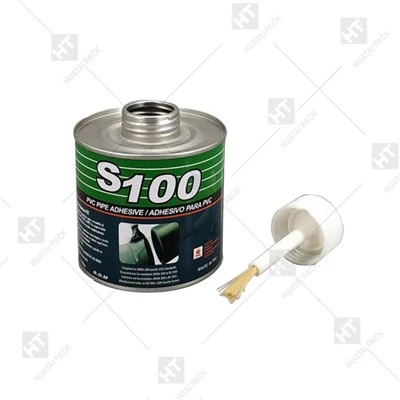
Small cracks/holes: After cleaning the damaged area and removing oil, apply special plastic adhesive, press to bond, and let it cure to seal.
Larger damage: Use a plastic welding tool to heat and melt the damaged area for bonding and repair. A sealing test must be performed after repair (fill with water and observe for leaks). 1. After repair, the paint must be transferred to a suitable long-term container. This repair method is only suitable for temporary use.
2. If the can is undamaged but the material does not meet long-term storage requirements, transfer is possible.
If the can is intact but the material is unsuitable for long-term storage of the current paint, direct transfer is sufficient. This method is simple and low-risk:
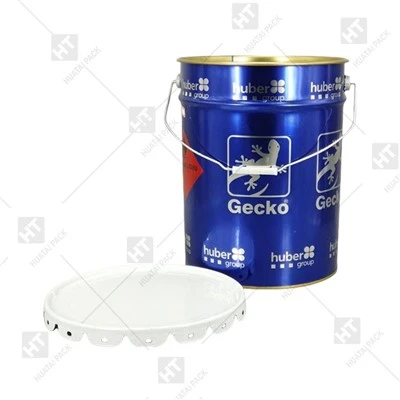
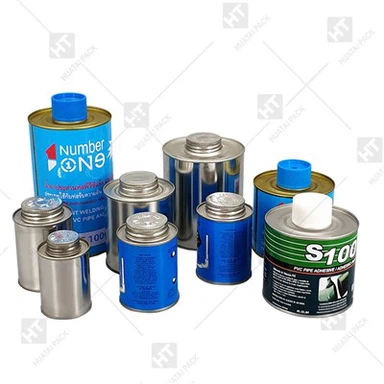
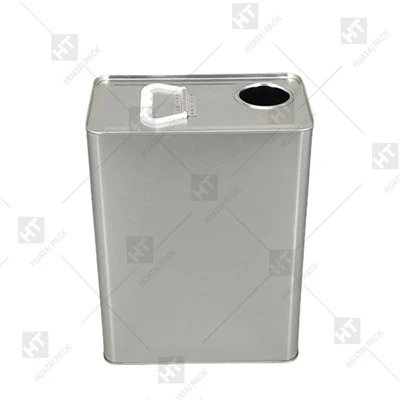
Prepare a qualified new paint can that meets the paint's requirements (choose plastic/rust-resistant metal for water-based paints and tinplate/stainless steel for oil-based paints).
In a well-ventilated environment away from heat sources, pour the paint completely into the new can, taking care to avoid spills.
Seal the new can tightly, label it clearly, and store it in a cool, dark place.
3. If paint contamination has occurred/the can is severely damaged, immediate replacement is necessary.
In this case, effective repair is impossible, and direct treatment is required to avoid further losses:
If the paint is contaminated with rust particles or metallic impurities: After settling, filter the usable upper layer. Treat the lower impurities as hazardous waste. Transfer the filtered paint to a qualified new can.
If the tank is rusted through or cracked over a large area: immediately transfer the paint to a spare container, dispose of the damaged tank according to hazardous waste regulations, and replace it with a new tank made of suitable material.