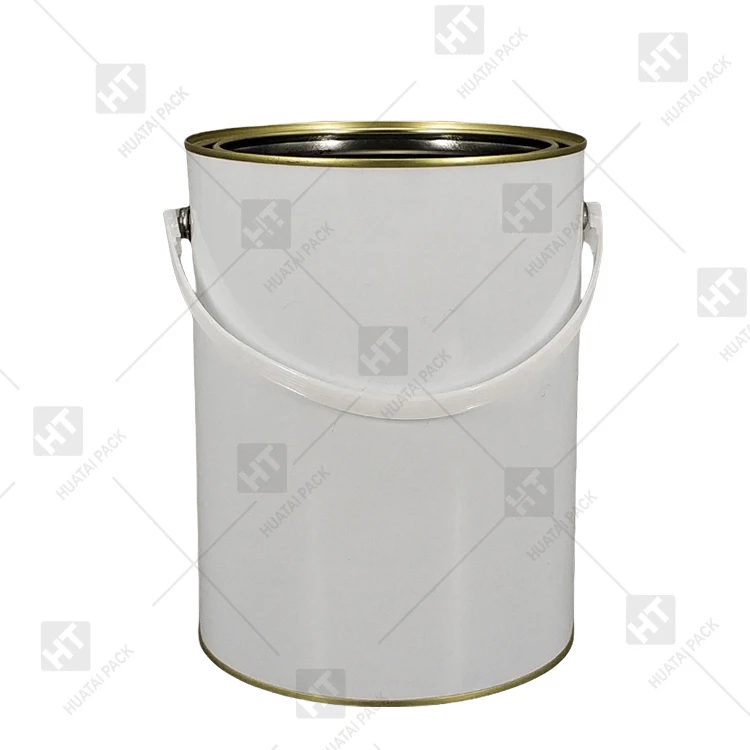


How to Determine the Purity of a Tin Bucket
Jul 15, 2026
I. Simple Household Methods
1. Observe the Color: High-purity tin is a warm, silvery-white with a slight yellow tint. Tin with more impurities tends to be grayish-black or dark blue.
2. Listen to the Sound: Gently tap the bucket with your finger. High-purity tin produces a soft sound with no noticeable echo. Tin containing lead impurities produces a dull, muffled sound without a crisp quality.
3. Weigh It: Pure tin has a density of approximately 7.3 g/cm³. A tin bucket containing lead will be significantly heavier for the same volume.
4. White Paper Test: Lightly scratch a piece of white paper with the edge of the tin bucket. The lighter the mark, the higher the purity; a darker mark indicates a higher lead content.
II. Professional and Precise Testing Methods
1. Instrument Testing: A portable XRF fluorescence spectrometer can directly and quickly determine the specific tin content with high accuracy.
2. Chemical Titration: In the laboratory, the tin sample is dissolved in hydrochloric acid and hydrogen peroxide, and then titrated using the potassium iodate iodometric method to accurately calculate the tin content.
3. Melting Point Verification: Pure tin has a melting point of approximately 231.9℃. Impurities will significantly lower the melting point, which can be assessed through a heating test.
Currently, the acceptable purity requirement for food-grade tin storage containers is ≥99%. Internationally recognized high-quality tinware suitable for processing has a purity between 97% and 98%. Excessively high purity will result in a material that is too soft to be properly processed.