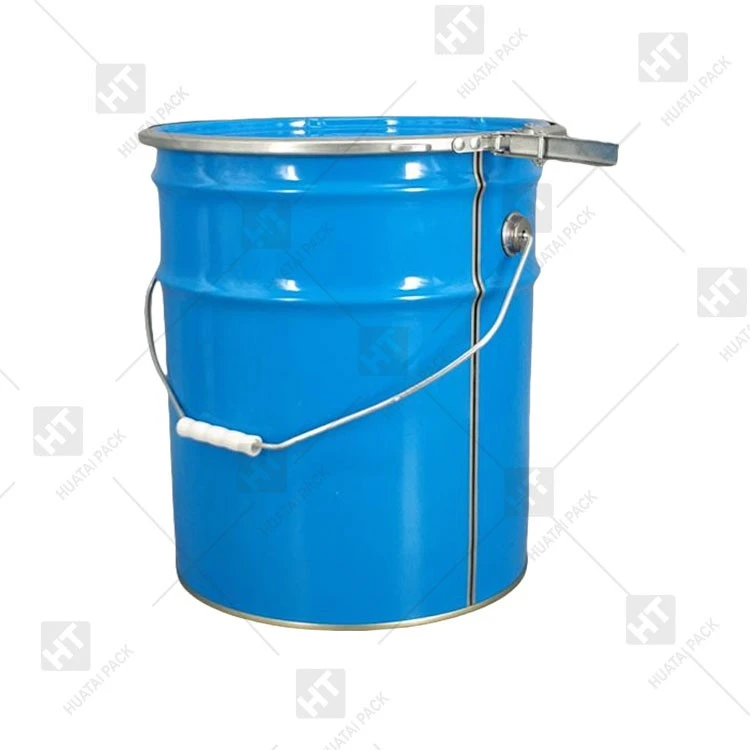


How to Determine if a Tin Can is Food-Grade
Jul 17, 2026
I. Verify Compliance Qualifications
Require the seller to provide a third-party testing report conforming to GB 4806.9-2023, confirming that the migration of impurity elements and alloying elements in the tin meets the standard requirements, and that there are no excessive levels of harmful heavy metals such as lead and cadmium.
Legitimate food-grade tin cans must clearly label with relevant food contact markings, and "three-no" products (products without any compliance information) are not allowed.
II. Appearance and Material Verification
The inner wall of the can should be smooth and clean, without residual discolored coatings, rust, or impurities, retaining only the metallic color of the tin itself, avoiding contamination of the contents by non-food-grade industrial coatings.
Confirm that the tin purity is labeled as S990 or higher, with no obvious dark spots, green rust, or other traces of impurities. Non-food-grade tin cans often have these problems due to the presence of large amounts of lead and industrial impurities.
III. Usage Scenarios Compatibility Verification
The sealing gaskets and accessories of food-grade tin cans are made of food-contact-grade materials, will not have a pungent odor, and can directly contact tea, food, and other contents.
Non-food grade industrial tin drums are mostly not treated for safety and can only be used for storing industrial materials. They should never be used to store food, tea, or other items that are intended for consumption.