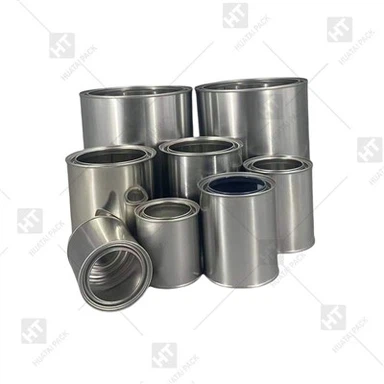


How to determine if a paint can lid is properly sealed?
Jan 09, 2026
I. Visual Inspection
1. Check the sealing ring: The rubber sealing ring inside the lid should be intact, without cracks or deformation. This is crucial for a good seal.
2. Check the lid edge: The lid edge should be smooth, without rust or deformation; otherwise, air leakage is likely.
3. Observe the paint can: The surface of the can should be free of dents or rust, especially around the lid, as this will affect the seal.
II. Sealing Test
1. Press test: After tightening the lid, gently press the can. If the lid springs back quickly without escaping gas, the seal is good.
2. Inversion test: Invert the can for a few minutes and observe whether the lid leaks liquid or air. This is the most direct test method.
3. Listen to the sound: When shaking the can, if you hear a noticeable gas flow sound, the seal may not be tight.
III. Daily Use Performance
1. Smooth opening and closing: The lid should open and close smoothly without jamming or being too tight; otherwise, the seal may be compromised. 2. Paint Condition: If the paint dries, clumps, or develops an odor, it may be due to a poor seal.
3. Storage Environment: Store the jar in a dry, cool place, avoiding high temperatures or humidity, to help maintain its seal.
IV. Precautions
1. Regular Inspection: It is recommended to check the sealing ring and cap monthly and replace worn parts promptly.
2. Proper Use: Avoid excessive force when opening the cap, and ensure the sealing ring is properly in place when closing the cap.
3. Choosing the Appropriate Cap: Select a cap material that matches the type of paint (e.g., water-based or oil-based).