

How to determine if a paint can has completely cooled down?
Apr 13, 2026
1. Temperature assessment of spray paint cans (aerosol cans)
Tactile test: Briefly touch the surface of the can with the back of your hand. If there is no obvious warmth, it means it has approached ambient temperature. The back of your hand is more sensitive than your fingers and is safer.
Ambient rest method: Place the can in a cool, ventilated place for at least 30 minutes, especially in hot weather or after removing it from a vehicle, to ensure sufficient heat dissipation.
Avoid condensation misjudgment: When moving from a low-temperature environment to a humid environment, water droplets (condensation) may appear on the can. This does not indicate a high can temperature; a comprehensive judgment must be made based on tactile feedback.
⚠️ Caution: Spray paint cans must never be heated or burned. Even an empty can may explode due to residual pressure at high temperatures.
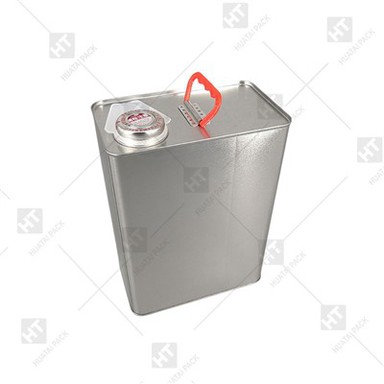
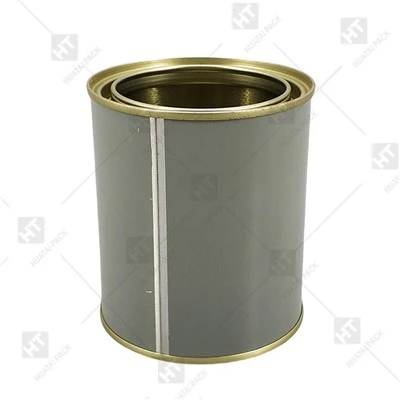
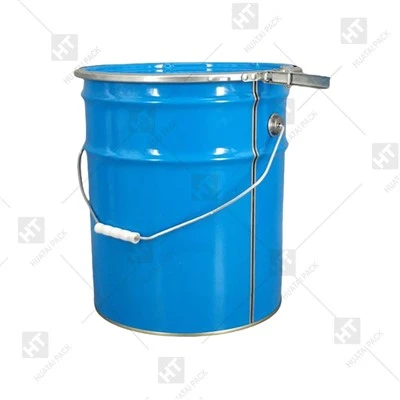
2. Temperature assessment of industrial paint buckets (metal buckets)
Surface temperature measurement: If possible, use an infrared thermometer to measure the temperature of the bucket wall. A temperature difference of less than 3°C from the surrounding environment indicates that it has cooled down. Tactile Assessment: Wearing protective gloves, gently touch the can wall; if it feels neither warm nor cold, it is safe.
Environmental Observation: Confirm that the can has not been exposed to direct sunlight, engine compartments, welding areas, or other heat sources for an extended period.
3. Special Circumstances Reminder: If the paint can has been used in high-temperature environments (such as due to residual heat transfer from equipment after spraying), it is recommended to allow it to stand for at least 1 hour before handling or processing.
Never place the paint can in a confined, high-temperature space (such as inside a vehicle in summer), even for a short time, as this may cause internal pressure to rise, increasing the risk of leakage or rupture.