

How to choose the right food can for storing specific foods?
Sep 05, 2025
1. Choose based on the food's characteristics
For highly acidic foods, such as ketchup and citrus juice, choose metal or glass cans with an acid-resistant coating. Without a suitable coating, acids react with the metal, causing corrosion and spoilage. Glass cans, however, are chemically stable and resist reaction with acidic foods, effectively preserving the food's quality.
For fatty foods, such as nuts and fried foods, metal or plastic cans with good barrier properties are suitable. Metal cans effectively block oxygen and light, preventing oxidation and rancidity. Plastic cans should be made of a material with good barrier properties, such as PET (polyethylene terephthalate), which can slow the spoilage of fatty foods.
For moisture-sensitive foods, such as biscuits and milk powder, choose well-sealed metal, plastic, or glass cans, and place a desiccant inside. Metal and plastic cans offer excellent sealing properties, preventing moisture from entering. Glass jars with airtight lids also provide excellent moisture protection. Fresh foods, such as meat and fish, are typically packaged in tinplate or aluminum cans and sterilized at high temperatures. These metal cans can withstand high temperatures and pressures, ensuring long-term storage of food in a sterile environment. Some fresh foods are also packaged in plastic cans, but it's important to choose plastic materials that meet food hygiene standards and have good freshness-preserving properties.
2. Consider the Can Material
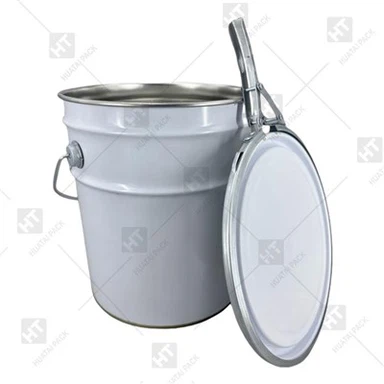
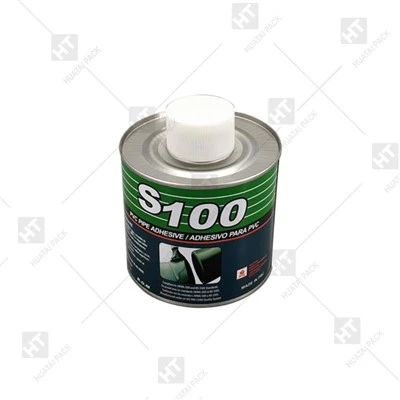
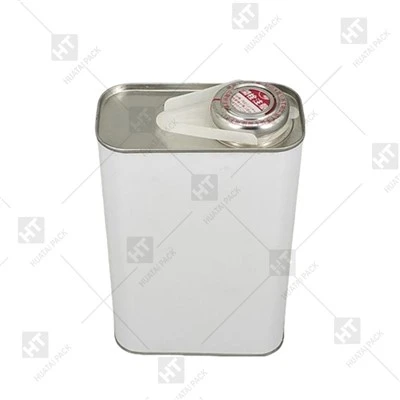
Metal cans offer advantages such as high strength, good barrier properties, and corrosion resistance, making them suitable for long-term storage and for foods requiring high-pressure sterilization. However, metal cans are opaque, preventing direct inspection of the food, and are relatively expensive.
Glass cans offer excellent transparency, allowing consumers to directly see the color and shape of the food. They are also chemically stable and non-reactive, preserving the food's original flavor to the greatest extent possible. However, glass cans are fragile and heavy, requiring careful protection during transportation and storage.
Plastic cans offer lightweight, impact resistance, low cost, and a certain degree of flexibility. However, the performance of different plastic materials varies significantly, so it's important to choose plastic cans that meet food hygiene standards and have good barrier properties and stability. Some plastic cans may release harmful substances when stored at high temperatures or for long periods, so be mindful of usage conditions and shelf life.
3. Pay attention to sealing performance
Good sealing is key to ensuring a can's effective food preservation. Whether it's the crimp seal on a metal can, the screw-on cap on a glass jar, or the snap-on or threaded seal on a plastic can, ensure a tight seal that's airtight and watertight. Check the seal for flatness and damage, and the integrity of the gasket. For foods that require long-term storage or are sensitive to oxygen and moisture, such as tea and Chinese medicinal herbs, it's recommended to choose cans with excellent sealing properties, such as metal or glass cans with vacuum seals.
4. Other factors
Can size: Choose a can that's the appropriate size for the amount of food you want. Avoid leaving too much empty space or too much space inside. A can that's too small won't hold enough food, while a can that's too large will cause the food to move around inside, potentially damaging the food and wasting packaging materials and storage space. Brand and Quality: Choose food cans from reputable brands and reliable quality to ensure they comply with relevant food safety standards and regulations. Check the product's certifications and test reports to understand the manufacturer's reputation and credibility. High-quality food cans are more reliable in terms of material, production process, and quality control, ensuring they better protect food.
Environmental considerations: While meeting food preservation requirements, choose environmentally friendly food cans. For example, recyclable metal cans, glass cans, and biodegradable plastic cans can reduce environmental impact. This is also an important consideration for environmentally conscious consumers and businesses.