

How is the size and capacity of the glue tank determined?
Oct 04, 2024
1. Properties of glue: Different types of glue have different densities, viscosities, and fluidities, which will affect the choice of glue tank size and capacity. For example, glue with higher viscosity may require a larger opening and a wider tank for easy pouring and application; while glue with better fluidity can use a smaller opening and a narrower tank to reduce glue waste. In addition, the volatility and corrosiveness of the glue will also affect the choice of the material and sealing performance of the glue tank.
2. Frequency and amount of use: Frequency and amount of use are also important factors in determining the size and capacity of the glue tank. If the glue is used more frequently and in larger amounts, a larger glue tank needs to be selected to reduce the number of times the glue needs to be replenished; if the glue is used less frequently and in smaller amounts, a smaller glue tank can be selected to avoid glue waste and drying.
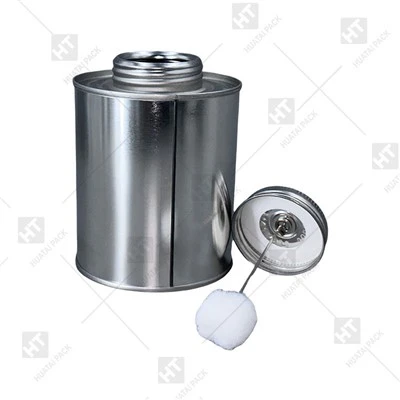
3. Compatibility of the application tool: The opening size of the glue tank needs to be compatible with the application tool used. If you use a brush or scraper to apply, you need to choose a larger opening to facilitate the entry and exit of the tool; if you use a dropper or needle to apply, you need to choose a smaller opening to control the flow of glue. In addition, the shape and size of the glue tank also need to be considered in conjunction with the application tool for easy operation and use.
4. Portability requirements: If the glue tank needs to be carried or moved frequently, then its portability needs to be considered. Choose a small, light, and easy-to-carry glue tank, such as a plastic bottle or metal tube, which can be easily put into a backpack or toolbox. In addition, some glue tanks will also be equipped with special carrying devices, such as lanyards, handles, etc., to improve their portability.
5. Market demand and standardization: The size and capacity of the glue tank also need to consider market demand and standardization. Some common glue tank sizes and capacities have become industry standards, such as 50 ml, 100 ml, 250 ml, 500 ml, 1 liter, etc. Choosing a glue tank size and capacity that meets market demand and is standardized can facilitate users' purchase and use, and is also conducive to product sales and promotion.