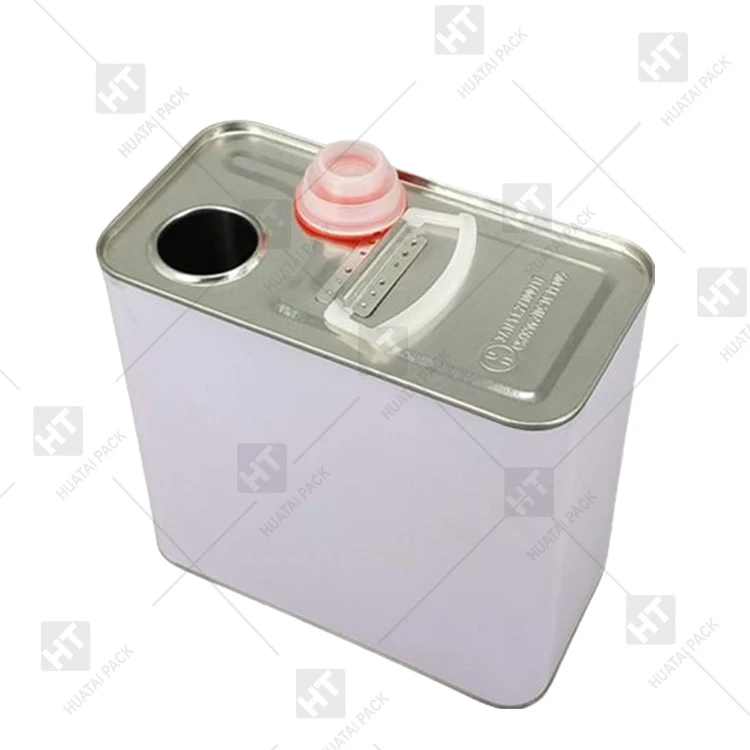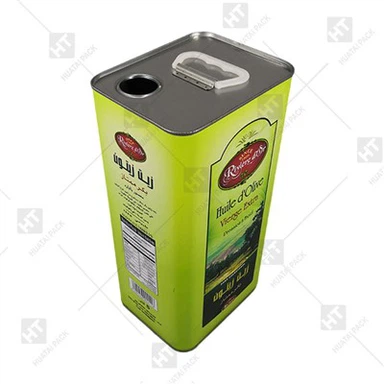


How is the sealing performance of F-type metal cans?
Aug 11, 2025
1. Structural design
Connection between the can body and the bottom: The can body and the bottom of the F-type metal can are usually connected by stamping and crimping. The periphery of the can bottom is curled upward to form a curled crimp, and the lower end of the can body is inserted into the curled edge of the can bottom. This structure uses a stamping process to stamp the periphery of the metal can bottom upward, and then the crimp is pressed on the outer wall of the can body, ensuring the sealing performance of the overall structure.
Sealing groove and sealing ring: A sealing groove is usually provided at the upper end of the can body, and a rubber sealing ring is placed in the sealing groove. The can cover is tightly sealed on the upper end of the can body through an elastic rubber sealing ring, further enhancing the sealing performance of the overall structure.
2. Sealing technology
Multi-layer sealing design: Some F-type metal cans adopt a multi-layer sealing design, for example, a sealing ring is fixedly connected to the bottom of the can cover, and a sealing plug matching the can mouth is fixedly connected to the bottom of the can cover at a position corresponding to the can mouth. This design can effectively prevent liquid leakage.
Combination of shock absorption and sealing: In some designs, the inside of the can lid is also equipped with a shock absorbing plate and a shock absorbing spring. These components not only play a shock absorbing role, but also provide additional sealing pressure when the can lid is closed to ensure the sealing effect.
3. Test and standard
Pressure test: According to relevant standards, F-type metal cans need to be tested for their sealing performance through pressure test. In the test, the container is washed and dried upside down at 50°C for 2 hours, then immersed in the water tank of the pressurized leak detector, slowly pressurized to 0.26MPa and maintained for 2 minutes, and whether bubbles are generated in the can body, especially at the curling weld.
Water resistance test: For the water resistance test of the sealant, the sample cover is placed in a glass container filled with water, and the water covers the sample cover by about 50mm, and then the glass container is placed in a pressure cooker. After boiling at 100°C for 20 minutes, the sample cover is taken out and the sealant performance is observed.
4. Material selection
Sealant performance: The water resistance and moisture content of the sealant are important factors affecting the sealing performance. The moisture content of the sealant should not exceed 5%, and there should be no curling, stickiness, odor, or shedding after boiling.
Coating and anti-corrosion: The curing, acid resistance, sulfur resistance, and salt resistance of the coating inside and outside the tank are also the key to ensuring the sealing performance. These coatings can prevent the tank from corroding, thereby indirectly improving the sealing performance.