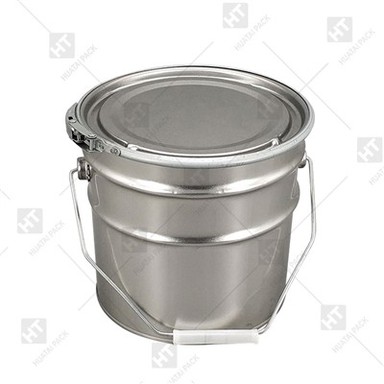


How high a temperature can Small Round Metal Can withstand
Jun 30, 2025
I. Material determines basic heat resistance
1. Tinplate (tinplate) can
The main material is low-carbon steel tin-plated, and the temperature resistance range is usually -20℃~160℃.
Short-term high temperature scenario: It can withstand the high temperature and high pressure in the can sterilization process (such as 121℃ steam sterilization for 30 minutes), and is suitable as a long-term storage container for canned food.
Extreme temperature risk: Exceeding 160℃ may cause the tin coating to melt, the steel plate to oxidize and rust, and even cause the can body to deform. For example, it will be quickly damaged if placed directly in an open flame or oven (temperature>200℃).
2. Aluminum alloy can
Commonly used aluminum-magnesium alloy or aluminum-manganese alloy, the temperature resistance range is about -40℃~200℃, and the thermal conductivity is better than tinplate cans.
Typical applications: It can be used for high-temperature sterilization (such as the pasteurization process of some beverage cans, about 85℃), or as a coffee capsule container (withstands about 180℃ heat sealing process when filling).
High temperature limit: Exceeding 200℃ will cause aluminum alloy to soften and deform. If it contacts acidic substances (such as lemon juice), high temperature may accelerate the precipitation of metal ions.
3. Stainless steel cans (atypical small round cans)
If it is made of 304 stainless steel, the temperature resistance can reach -196℃~800℃, but it is rarely used in small round metal cans (higher cost). This type of can is suitable for extreme high temperature environments (such as industrial use), but when used as a food container, it is usually not recommended to exceed 120℃ (to avoid aging of the sealing ring).
2. Structural design affects heat resistance performance
1. Temperature resistance of sealing method
Crimp sealed cans: rely on rubber or silicone sealing rings, with an upper temperature resistance of about 120℃ (ordinary rubber rings) or 200℃ (fluororubber rings). For example, when sterilizing cans, the sealing ring needs to match the high temperature environment, otherwise it will melt and fail.
Screw-on cans: The sealing strips of plastic or metal screw caps have poor temperature resistance (usually <80℃), are prone to deformation and leakage at high temperatures, and are not suitable for steaming or baking scenarios.
2. Risk of pressure and deformation
The gas inside a sealed metal can will expand at high temperatures. If it exceeds the pressure limit of the can (usually 0.3~0.5 atmospheres), it may cause an explosion. For example:
When a metal can sealed after being filled with liquid is directly heated to boiling, the steam pressure will cause the can to bulge or even burst.
Unopened aluminum cans of carbonated beverages may explode due to gas expansion in a high-temperature car (>60℃).
III. Usage scenarios and safety recommendations
1. Temperature limits for food-grade applications
High-temperature operations that can be tolerated:
・Pasteurization (<100℃, such as water bath heating of homemade jam jars);
・Short-term oven preheating (<150℃, make sure the can has no sealed cover or reserved vents).
Prohibited scenarios:
・Direct open flame heating (such as gas stoves, barbecue grills);
・High-pressure cooking (such as pressure cookers, the risk is extremely high when the pressure is >1 atmosphere);
・Microwave heating (metal materials will cause sparks, absolutely prohibited).
2. Industrial and non-food uses
If it is a non-food grade metal can (such as oil cans, chemical cans), some can withstand temperatures above 200℃, but the material (such as special steel) and instructions for use must be confirmed, and contact with food is strictly prohibited.
IV. Risk avoidance and alternatives
Precautions for high temperature storage: Metal cans should be kept away from heat sources (such as radiators, ovens), and the long-term storage environment temperature is recommended to be less than 25℃ to avoid coating aging or deterioration of contents.
Scenarios requiring high temperature treatment: If steaming or baking is required, it is recommended to use glass cans (such as heat-resistant glass) or ceramic containers. Metal cans are only used as normal temperature or low temperature storage tools.
If you want to know how high a temperature Small Round Metal Can can withstand, welcome to follow www.wuxihuataipackaging.com!