

Food Can Sealing Performance and Influencing Factors
Sep 12, 2025
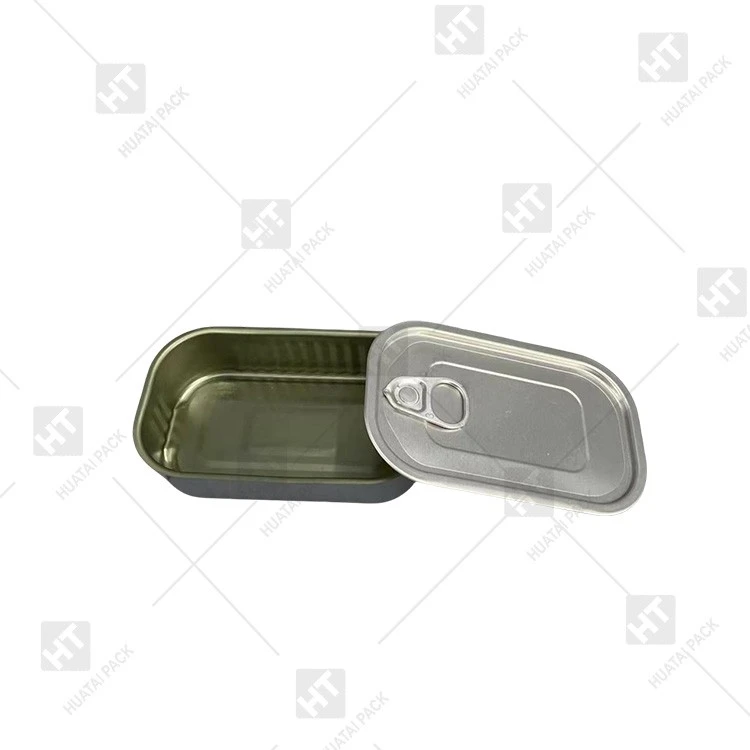
1. Material Selection: The material used for food cans, such as aluminum alloy, stainless steel, and tinplate, affects their sealing performance. Different materials have varying strength, ductility, and corrosion resistance, which in turn affect the sealing performance of the can.
2. Processing Precision: During the processing of food cans, the accuracy of steps such as blanking, stretching, closing, and flanging directly impacts the sealing performance of the can. High-precision processing ensures that the dimensions and shapes of each can component meet the required specifications, thereby improving sealing performance.
3. Structural Design: The structural design of a food can, including the can shape and top structure, impacts its sealing performance. A sound structural design ensures that the can maintains a good seal even when subjected to pressure or temperature fluctuations.
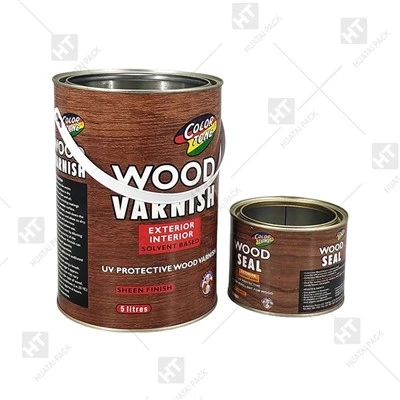
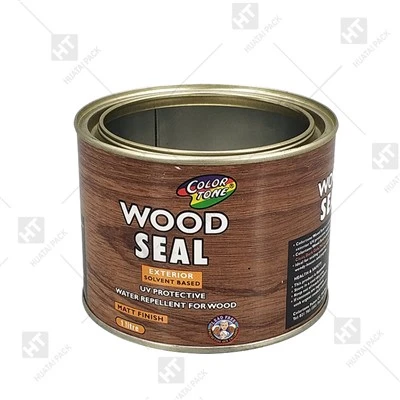
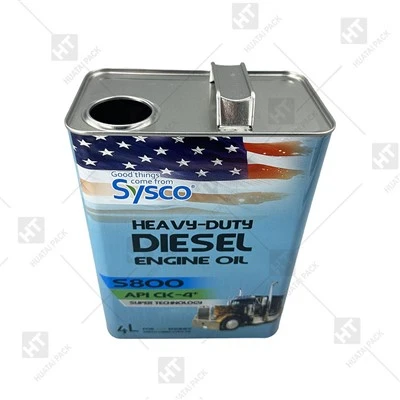
4. Printing and Coating: Printing and coating the surface of a food can enhance the can's aesthetics and protective layer, which in turn impacts its sealing performance. High-quality printing and coating can improve the can's surface corrosion resistance and sealing properties.
5. Sealing Method: The sealing method used for food cans, such as welding or press-sealing, will affect their sealing performance. Different sealing methods have different sealing effects and application ranges. Choosing the right sealing method can improve the sealing performance of food cans.
6. Environmental Conditions: The environmental conditions to which food cans are exposed during storage and transportation, such as temperature and humidity, will affect their sealing performance. Under certain environmental conditions, food cans may corrode or deform, thereby reducing their sealing performance.