

What materials are used to make a closed metal pail?
Oct 17, 2025
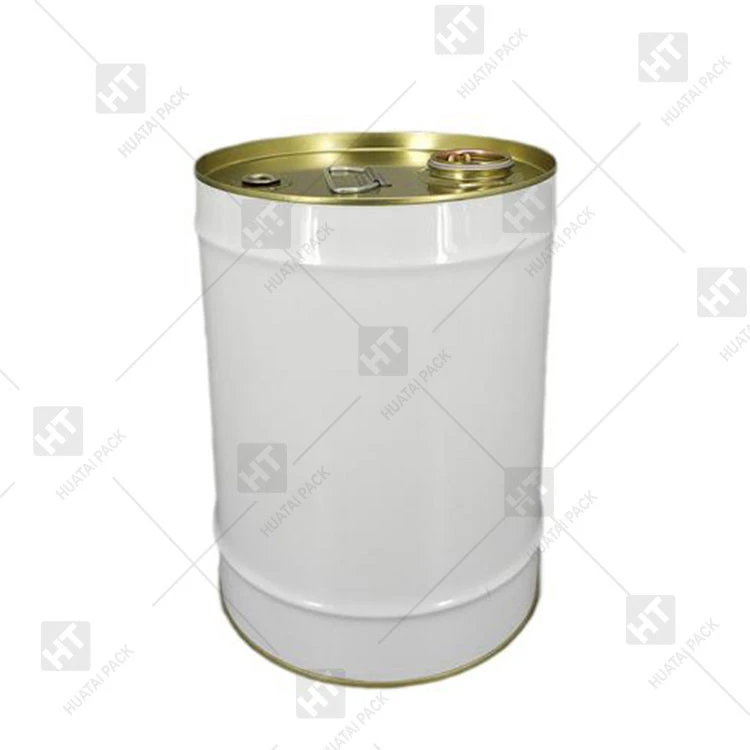
As a supplier of closed metal pails, I've had the privilege of witnessing the remarkable versatility and durability of these essential containers. In this blog post, I'll delve into the materials used to make closed metal pails, shedding light on their properties, advantages, and applications.
Steel: The Foundation of Closed Metal Pails
Steel is the most common material used in the production of closed metal pails. It offers a unique combination of strength, durability, and affordability, making it an ideal choice for a wide range of applications. Steel pails are available in various grades and thicknesses, depending on the specific requirements of the customer.
Carbon Steel
Carbon steel is the most widely used type of steel in the manufacturing of closed metal pails. It is an alloy of iron and carbon, with small amounts of other elements such as manganese, silicon, and sulfur. Carbon steel offers excellent strength and durability, making it suitable for heavy-duty applications. It is also relatively inexpensive, making it a cost-effective choice for many customers.
One of the key advantages of carbon steel is its ability to be easily formed and welded. This allows manufacturers to produce closed metal pails in a variety of shapes and sizes, tailored to the specific needs of the customer. Carbon steel pails can be coated with a variety of finishes, such as paint, powder coating, or galvanization, to enhance their corrosion resistance and appearance.
Stainless Steel
Stainless steel is another popular material used in the production of closed metal pails. It is an alloy of iron, chromium, and nickel, with small amounts of other elements such as molybdenum, titanium, and copper. Stainless steel offers excellent corrosion resistance, making it suitable for applications where the pail will be exposed to harsh chemicals or environments.
One of the key advantages of stainless steel is its hygienic properties. It is non-porous and easy to clean, making it an ideal choice for applications in the food, beverage, and pharmaceutical industries. Stainless steel pails can also be used in outdoor applications, as they are resistant to rust and corrosion.
Aluminum: A Lightweight Alternative
Aluminum is a lightweight and corrosion-resistant material that is increasingly being used in the production of closed metal pails. It offers a number of advantages over steel, including its low weight, high strength-to-weight ratio, and excellent thermal conductivity.
Aluminum Alloys
Aluminum alloys are commonly used in the manufacturing of closed metal pails. These alloys are made by combining aluminum with other elements such as copper, magnesium, silicon, and zinc. The addition of these elements enhances the strength, hardness, and corrosion resistance of the aluminum.
One of the key advantages of aluminum alloys is their low weight. This makes them ideal for applications where weight is a concern, such as in the transportation and aerospace industries. Aluminum alloys also offer excellent formability, allowing manufacturers to produce closed metal pails in a variety of shapes and sizes.

Anodized Aluminum
Anodized aluminum is a type of aluminum that has been treated with an anodic oxidation process to create a hard, durable, and corrosion-resistant surface. This process involves immersing the aluminum in an electrolyte solution and applying an electric current to it. The anodized layer provides a protective barrier against corrosion and wear, making it suitable for applications where the pail will be exposed to harsh environments.
One of the key advantages of anodized aluminum is its aesthetic appeal. The anodized layer can be dyed in a variety of colors, allowing manufacturers to produce closed metal pails in a range of attractive finishes. Anodized aluminum pails are also easy to clean and maintain, making them a popular choice for applications in the consumer goods and electronics industries.
Other Materials
In addition to steel and aluminum, there are a number of other materials that can be used in the production of closed metal pails. These materials include:
Galvanized Steel
Galvanized steel is a type of steel that has been coated with a layer of zinc to protect it against corrosion. The zinc coating provides a sacrificial barrier that corrodes instead of the steel, extending the lifespan of the pail. Galvanized steel pails are commonly used in outdoor applications, as they are resistant to rust and corrosion.
Tinplate
Tinplate is a type of steel that has been coated with a thin layer of tin to protect it against corrosion. The tin coating provides a smooth, shiny surface that is resistant to rust and corrosion. Tinplate pails are commonly used in the food and beverage industries, as they are hygienic and easy to clean.
Composite Materials
Composite materials are made by combining two or more different materials to create a new material with unique properties. Composite materials can be used in the production of closed metal pails to enhance their strength, durability, and corrosion resistance. For example, a composite pail could be made by combining a steel shell with a plastic liner to provide both strength and chemical resistance.
Applications of Closed Metal Pails
Closed metal pails are used in a wide range of applications, including:
Industrial Applications
Closed metal pails are commonly used in industrial applications to store and transport a variety of liquids and solids. They are used in industries such as chemicals, paints, coatings, lubricants, and food processing. Metal pails are preferred in these applications due to their strength, durability, and resistance to corrosion.
Consumer Applications
Closed metal pails are also used in consumer applications, such as storing and transporting household chemicals, paints, and other products. They are often used in the automotive, gardening, and home improvement industries. Metal pails are preferred in these applications due to their safety, durability, and ease of use.
Food and Beverage Applications
Closed metal pails are used in the food and beverage industry to store and transport a variety of products, such as oils, sauces, and dairy products. They are preferred in these applications due to their hygienic properties, corrosion resistance, and ability to maintain the quality of the product.
Conclusion
In conclusion, closed metal pails are essential containers that are used in a wide range of applications. The materials used to make these pails, such as steel, aluminum, and other alloys, offer a unique combination of strength, durability, and corrosion resistance. As a supplier of closed metal pails, I am committed to providing my customers with high-quality products that meet their specific needs.
If you are interested in purchasing closed metal pails for your business, I encourage you to [Contact Us] for more information. We offer a wide range of products, including Closed Metal Pail, Metal Drum For Engine Oil, and 5gallon Metal Pail. Our team of experts will work with you to understand your requirements and provide you with the best solution for your needs.
References
- ASM Handbook, Volume 1: Properties and Selection: Irons, Steels, and High-Performance Alloys. ASM International, 1990.
- Aluminum Association. Aluminum Design Manual. Aluminum Association, 2015.
- Metals Handbook Desk Edition, Second Edition. ASM International, 1998.